Dizziness

Why Does Dizziness Occur, and When Should You Seek Medical Care?

Dizziness occurs when the brain compares balance signals from visual input, the inner ear vestibular system, and bodily sense (proprioception), and encounters a mismatch. Peripheral vertigo originating from the ear (such as BPPV, Ménière's disease, and vestibular neuritis) often feels like a spinning sensation, whereas central dizziness originating from the brain often feels like heaviness or unsteadiness and may be accompanied by numbness, weakness, or slurred speech. If you experience slurred speech or weakness in your limbs, go to the emergency room immediately.


Dizziness is common. In the Korea National Health and Nutrition Examination Survey, one in four adults aged 40 and older experienced dizziness or balance impairment in the past year, and 4.8% had chronic dizziness lasting more than 3 months. It becomes more prevalent with age.

The causes of dizziness are categorized by "how long and due to what" it occurs, as well as whether accompanying ear symptoms are present. BPPV occurs briefly and repeatedly when changing posture; Ménière's disease involves attacks lasting 20 minutes to 12 hours accompanied by fluctuating hearing loss, tinnitus, and ear fullness in one ear; and vestibular neuritis causes severe dizziness lasting over a day without ear symptoms.

In many cases, dizziness persists even though test results are normal. "Persistent postural-perceptual dizziness (PPPD)," characterized by an unsteadiness almost daily for over three months that worsens when standing or viewing complex visual screens, is not a structural lesion but a condition in which the processing of balance sensation has altered, so diagnostic tests usually return normal results.

Why Does Dizziness Occur?

The brain maintains balance by constantly comparing visual input, head movements sensed by the inner ear vestibular system, and body positions sensed by the soles of the feet and joints. When these three sources of information conflict, dizziness occurs.

Therefore, the cause of dizziness does not lie solely in the ear. Ebian Korean Medicine Clinic views dizziness as an issue involving the integrated control of vision, proprioception, and vestibular function, recognizing that reduced brain function and autonomic imbalance can be contributing factors that prolong dizziness.

Glossary of Terms Used in This Article

Vestibular System
An organ in the inner ear that senses head movements and tilts. It consists of the semicircular canals and otolith organs.
Peripheral Vertigo / Dizziness
Dizziness originating from the inner ear or vestibular nerve.
Central Dizziness / Vertigo
Dizziness originating from the brain (such as the cerebellum or brainstem).

How Do Ear-Related Dizziness and Brain-Related Dizziness Differ?

Peripheral (Ear-Related) Vertigo

It often manifests as rotational vertigo where "the whole world spins," and may be accompanied by tinnitus and hearing loss. Typical examples include Ménière's disease, vestibular neuritis, and BPPV.

Central (Brain-Related) Dizziness

It often manifests as non-rotational dizziness described as a "heavy head" or "unsteadiness," and may be accompanied by paralysis, sensory changes, slurred speech, or difficulty swallowing. If these accompanying symptoms occur, immediate emergency care is required.

Is Feeling Floating or Lightheaded Without Spinning Also Considered Dizziness?

Yes, it qualifies as dizziness. Sensations of floating or staggering without spinning are also considered dizziness. Severity cannot be judged by the type of symptom alone; it is evaluated based on duration, pattern, and accompanying symptoms.

Studies report that among 657 patients attending a multidisciplinary chronic dizziness program, 46.4% met the criteria for PPPD. PPPD is classified not as a psychiatric condition but as a functional disorder where balance processing pathways have altered; since accompanying anxiety can cause dizziness to persist longer, both are evaluated together.

Do Rehabilitation Exercises (Vestibular Rehabilitation) Help with Dizziness?

There is relatively strong evidence that vestibular rehabilitation is helpful for dizziness caused by unilateral vestibular loss (such as following vestibular neuritis). A Cochrane review showed that individuals who underwent rehabilitation experienced reduced dizziness with no reported adverse effects, and American Physical Therapy Association guidelines strongly recommend it.

However, for BPPV, canalith repositioning procedures that rotate the head to return otoconia to their proper place resolve symptoms faster than rehabilitation exercises. Dizziness may temporarily worsen during exercises, and if there is a risk of falling, starting under supervision is safer.

Why Requires Extra Caution for Dizziness Occurring at an Older Age?

A pooled analysis of studies in older adults showed that individuals with dizziness had a higher risk of subsequent falls and a higher risk of multiple falls. Older adults with dizziness are advised to take fall prevention measures, such as clearing home hazards and leaving lights on at night.

How Do Characteristics Differ by Cause of Dizziness?

CauseDizziness PatternDurationAccompanying Symptoms
BPPVBrief spinning when changing postureBrief, recurring episodesUsually no auditory symptoms
Ménière's DiseaseEpisodic attacks unrelated to postureRecurrent attacks lasting 20 min to 12 hoursUnilateral hearing loss, tinnitus, and ear fullness
Vestibular NeuritisSudden severe spinningPersists over a day, then gradually subsidesUsually no auditory symptoms
Vestibular MigraineRecurrent dizzy attacks5 minutes to 72 hoursHistory of migraine, headache, photophobia, etc.
PPPDUnsteadiness or floating sensationAlmost daily for over 3 monthsWorsens when standing or viewing complex screens
Stroke (Emergency)Spinning or severe unsteadinessSudden onsetSlurred speech, paralysis, diplopia, inability to stand unsupported

Evidence: Bárány Society diagnostic criteria (References 4, 6, 7, 8, 9, 10); Society for Academic Emergency Medicine GRACE-3 guidelines (Reference 12)

How Does Ebian Korean Medicine Clinic Treat Dizziness?

Ebian Korean Medicine Clinic views dizziness as an interconnected process involving the vestibular system, brain, neck (cervical spine), autonomic nervous system, and whole body. We believe Korean Medicine treatment can be helpful by addressing both the disrupted integrated control of vision, proprioception, and vestibular function, as well as reduced brain function and autonomic imbalance that prolong the condition.

Treatment is based on Hwalcheong acupuncture method, Hwalcheong external therapy, customized Hwalcheong-tang (herbal decoction) tailored to symptoms and systemic constitution, and musk Gongjin-dan. Hwalcheong-tang is prescribed according to specific subtypes: depleted vitality delaying ear recovery, fluid retention/phlegm-dampness, organ imbalance causing recurrences, or autonomic sensitivity due to stress.

BPPV

Our goals are recovering residual dizziness after resolving acute dizziness, reducing attack frequency, and fostering an ear environment where otoconia are less prone to dislodging again.

Ménière's Disease

Our goals are enhancing body resilience during attacks, reducing the frequency and severity of attacks, and preserving hearing without recurrent attacks.

When Examinations in Other Medical Specialties Take Priority

When severe dizziness is accompanied by neurological symptoms, we recommend receiving evaluations in otolaryngology or neurology first.

Source: Ebian Korean Medicine Clinic clinical standards (Clinic communications 2026-08-11, 2026-10-21; Director educational materials). Treatment duration and response vary by individual and are determined through consultation after examination.

Evidence for This Page — Supported by Published Studies

01
Domestic Population Survey (KNHANES)

One-year prevalence and clinical characteristics in chronic dizziness: The 2019-2020 Korean National Health and Nutrition Examination Survey

Kim EJ et al. · Frontiers in Neurology, 2022 · PMID 36530637 · DOI 10.3389/fneur.2022.1016718

One in four adults aged 40 and older experienced dizziness or balance impairment in the past year, and 4.8% had chronic dizziness lasting more than 3 months.

02
Population Survey (Germany)

Epidemiology of vestibular vertigo: a neurotologic survey of the general population

Neuhauser HK et al. · Neurology, 2005 · PMID 16186531 · DOI 10.1212/01.wnl.0000175987.59991.3d

Eighty percent of individuals who experienced vestibular vertigo sought medical care or experienced daily life disruption.

03
Systematic Review and Meta-Analysis (85 studies)

Anxiety and Depression in Adults With Vestibular Disorders: A Systematic Review and Meta-Analysis

Kim CH et al. · The Laryngoscope, 2026 · PMID 40815545 · DOI 10.1002/lary.70055

The prevalence of anxiety among adults with vestibular disorders was 31.4%, and among patients with vestibular migraine, anxiety was 46.5% and depression was 35.7%.

04
International Diagnostic Criteria (Bárány Society)

Diagnostic criteria for persistent postural-perceptual dizziness (PPPD): Consensus document of the committee for the Classification of Vestibular Disorders of the Bárány Society

Staab JP et al. · Journal of Vestibular Research, 2017 · PMID 29036855 · DOI 10.3233/VES-170622

Defined PPPD as dizziness persisting almost daily for over three months that worsens when standing, viewing moving objects, or watching complex screens.

05
Review Article

Persistent postural-perceptual dizziness (PPPD): a common, characteristic and treatable cause of chronic dizziness

Popkirov S et al. · Practical Neurology, 2018 · PMID 29208729 · DOI 10.1136/practneurol-2017-001809

Summarized that PPPD is a common and characteristic cause of chronic dizziness that can be managed with vestibular rehabilitation, medication, and cognitive behavioral therapy.

06
International Diagnostic Criteria (Bárány Society)

Benign paroxysmal positional vertigo: Diagnostic criteria

von Brevern M et al. · Journal of Vestibular Research, 2015 · PMID 26756126 · DOI 10.3233/VES-150553

Established criteria for diagnosing BPPV based on brief, recurrent dizzy episodes triggered by positional changes and nystagmus during clinical examination.

07
International Diagnostic Criteria (Bárány Society)

Diagnostic criteria for Menière's disease

Lopez-Escamez JA et al. · Journal of Vestibular Research, 2015 · PMID 25882471 · DOI 10.3233/VES-150549

Diagnosed Ménière's disease based on vertigo attacks lasting 20 minutes to 12 hours, documented low- to medium-frequency hearing loss, and fluctuating auditory symptoms.

08
International Diagnostic Criteria (Bárány Society)

Acute unilateral vestibulopathy/vestibular neuritis: Diagnostic criteria

Strupp M et al. · Journal of Vestibular Research, 2022 · PMID 35723133 · DOI 10.3233/VES-220201

Defined vestibular neuritis as an acute disorder with severe dizziness lasting over a day without auditory symptoms.

09
International Diagnostic Criteria (Bárány Society)

Vestibular migraine: Diagnostic criteria

Lempert T et al. · Journal of Vestibular Research, 2022 · PMID 34719447 · DOI 10.3233/VES-201644

Diagnosed vestibular migraine when recurrent dizzy attacks temporarily coincide with a history of migraine, with attacks lasting between 5 minutes and 72 hours.

10
International Diagnostic Criteria (Bárány Society)

Vascular vertigo and dizziness: Diagnostic criteria

Kim JS et al. · Journal of Vestibular Research, 2022 · PMID 35367974 · DOI 10.3233/VES-210169

Established diagnostic criteria for dizziness caused by cerebrovascular disease and advised heightened caution when vascular risk factors are present.

11
Diagnostic Accuracy Study

HINTS to diagnose stroke in the acute vestibular syndrome: three-step bedside oculomotor examination more sensitive than early MRI diffusion-weighted imaging

Kattah JC et al. · Stroke, 2009 · PMID 19762709 · DOI 10.1161/STROKEAHA.109.551234

In patients with acute dizziness, the bedside eye movement examination (HINTS) was more sensitive in detecting stroke than early MRI.

12
Clinical Practice Guidelines (Society for Academic Emergency Medicine)

Guidelines for reasonable and appropriate care in the emergency department 3 (GRACE-3): Acute dizziness and vertigo in the emergency department

Edlow JA et al. · Academic Emergency Medicine, 2023 · PMID 37166022 · DOI 10.1111/acem.14728

Recommended against using head CT to rule out stroke in acute dizziness. A normal CT scan does not exclude a stroke.

13
Systematic Review (Cochrane)

Vestibular rehabilitation for unilateral peripheral vestibular dysfunction

McDonnell MN et al. · Cochrane Database of Systematic Reviews, 2015 · PMID 25581507 · DOI 10.1002/14651858.CD005397.pub4

In unilateral peripheral vestibular hypofunction, individuals undergoing vestibular rehabilitation experienced reduced dizziness, with no adverse effects reported.

14
Clinical Practice Guidelines (American Physical Therapy Association)

Vestibular Rehabilitation for Peripheral Vestibular Hypofunction: An Updated Clinical Practice Guideline From the Academy of Neurologic Physical Therapy of the American Physical Therapy Association

Hall CD et al. · Journal of Neurologic Physical Therapy, 2022 · PMID 34864777 · DOI 10.1097/NPT.0000000000000382

Strongly recommended vestibular rehabilitation for peripheral vestibular hypofunction and listed goal achievement, symptom resolution, or plateauing of improvement as reasons for discontinuation.

15
Systematic Review and Meta-Analysis

Association between dizziness and future falls and fall-related injuries in older adults: a systematic review and meta-analysis

Li Y et al. · Age and Ageing, 2024 · PMID 39293812 · DOI 10.1093/ageing/afae177

Older adults with dizziness had a higher likelihood of subsequent falls and a higher likelihood of falling two or more times.

16
Long-Term Follow-Up Study

Low recurrence rate of vestibular neuritis: a long-term follow-up

Huppert D et al. · Neurology, 2006 · PMID 17130428 · DOI 10.1212/01.wnl.0000244473.84246.76

Recurrence of vestibular neuritis was rare, occurring in about 2 out of 100 people.

When to Seek Emergency/Neurology Care First

If dizziness is accompanied by slurred speech, double vision, limb weakness, or difficulty standing unsupported, suspect stroke first and go to the emergency room immediately. Strokes presenting solely with dizziness without neurological signs can also occur; thus, extra caution is needed if vascular risk factors (such as hypertension or diabetes) are present. In addition, seek prompt medical care if sudden unilateral hearing loss accompanies dizziness.

Evidence: SAEM GRACE-3 guidelines (Ref 12); Bárány Society vascular vertigo criteria (Ref 10); Ebian Korean Medicine Clinic referral standards (Clinic communications).

Frequently Asked Questions (FAQ)

How Common Is Dizziness?

It is common. In Korea, one in four adults aged 40 and older experienced dizziness or balance impairment in the past year.

How Common Is Chronic Dizziness?

In a Korean survey, 4.8% of adults aged 40 and older experienced chronic dizziness lasting over 3 months.

Does Dizziness Become More Common with Age?

Korean studies show that chronic dizziness increases with age.

Do Many People Seek Medical Care for Dizziness?

In a German study, 80% of people who experienced vestibular vertigo sought medical care or suffered disruptions in daily life.

Is Floating/Unsteady Dizziness Less Severe Than Spinning Vertigo?

Severity cannot be determined solely by symptom type. It is evaluated based on duration, pattern, and accompanying symptoms.

Why Do I Remain Dizzy Even Though Tests Show Normal Results?

The most frequently identified cause is persistent postural-perceptual dizziness (PPPD). Because it reflects an altered state of balance processing, diagnostic tests usually return normal results.

Can PPPD Be Treated?

Review articles list vestibular rehabilitation, serotonergic medications, and cognitive behavioral therapy as management options.

Is Dizziness Caused by Anxiety?

PPPD is classified not as a psychiatric disorder, but as a functional condition with altered balance processing pathways. However, a pooled analysis of 85 studies reported an anxiety rate of 31.4% among adults with vestibular disorders, so accompanying anxiety is managed together.

Is Migraine Related to Dizziness?

Vestibular migraine is also a cause of recurrent dizziness. International criteria define attacks as lasting between 5 minutes and 72 hours.

If I Am Young, Is Stroke a Less Likely Cause of Dizziness?

International criteria advise greater caution whenever vascular risk factors are present. Regardless of age, go to the emergency room immediately if neurological symptoms are present.

If the Brain CT Is Normal, Does It Rule Out Stroke?

SAEM guidelines recommend against using head CT to rule out stroke in acute dizziness. A normal CT scan does not rule out stroke.

Is It Okay If Dizziness Is Brief and Only Occurs When Changing Posture?

Brief, recurrent dizziness triggered by positional changes is common in BPPV. Seek prompt medical evaluation if accompanied by other symptoms.

Can Vestibular Neuritis Recur?

It is rare. Long-term follow-up studies show recurrence in about 2 out of 100 people.

Won't Vestibular Rehabilitation Exercises Make Me More Dizzy?

Dizziness may temporarily increase during exercise, but a Cochrane review reported no adverse effects. If severe, exercise intensity is adjusted.

When Are Rehabilitation Exercises Discontinued?

Guidelines state that goal achievement, symptom resolution, normalization of balance/vestibular function, or plateauing of improvement can be criteria for stopping.

Does Having Dizziness Increase the Risk of Falling?

A pooled analysis of studies in older adults found that individuals with dizziness had a higher risk of subsequent falls and multiple falls.

How Does Ebian Korean Medicine Clinic View Dizziness?

We view dizziness as an interconnected process involving the vestibular system, brain, neck (cervical spine), autonomic nervous system, and whole body. We evaluate both the integrated control of vision, proprioception, and vestibular function, as well as reduced brain function and autonomic imbalance.

Should I Get Other Medical Examinations Before Visiting the Clinic?

If severe dizziness is accompanied by neurological symptoms, we recommend receiving evaluations in otolaryngology or neurology first. If you experience slurred speech or weakness in your limbs, go to the emergency room immediately.

References

  1. Kim EJ, et al. One-year prevalence and clinical characteristics in chronic dizziness: The 2019-2020 Korean National Health and Nutrition Examination Survey. Frontiers in Neurology. 2022. PMID 36530637. DOI 10.3389/fneur.2022.1016718.
  2. Neuhauser HK, et al. Epidemiology of vestibular vertigo: a neurotologic survey of the general population. Neurology. 2005. PMID 16186531. DOI 10.1212/01.wnl.0000175987.59991.3d.
  3. Kim CH, et al. Anxiety and Depression in Adults With Vestibular Disorders: A Systematic Review and Meta-Analysis. The Laryngoscope. 2026. PMID 40815545. DOI 10.1002/lary.70055.
  4. Staab JP, et al. Diagnostic criteria for persistent postural-perceptual dizziness (PPPD): Consensus document of the committee for the Classification of Vestibular Disorders of the Bárány Society. Journal of Vestibular Research. 2017. PMID 29036855. DOI 10.3233/VES-170622.
  5. Popkirov S, et al. Persistent postural-perceptual dizziness (PPPD): a common, characteristic and treatable cause of chronic dizziness. Practical Neurology. 2018. PMID 29208729. DOI 10.1136/practneurol-2017-001809.
  6. von Brevern M, et al. Benign paroxysmal positional vertigo: Diagnostic criteria. Journal of Vestibular Research. 2015. PMID 26756126. DOI 10.3233/VES-150553.
  7. Lopez-Escamez JA, et al. Diagnostic criteria for Menière's disease. Journal of Vestibular Research. 2015. PMID 25882471. DOI 10.3233/VES-150549.
  8. Strupp M, et al. Acute unilateral vestibulopathy/vestibular neuritis: Diagnostic criteria. Journal of Vestibular Research. 2022. PMID 35723133. DOI 10.3233/VES-220201.
  9. Lempert T, et al. Vestibular migraine: Diagnostic criteria. Journal of Vestibular Research. 2022. PMID 34719447. DOI 10.3233/VES-201644.
  10. Kim JS, et al. Vascular vertigo and dizziness: Diagnostic criteria. Journal of Vestibular Research. 2022. PMID 35367974. DOI 10.3233/VES-210169.
  11. Kattah JC, et al. HINTS to diagnose stroke in the acute vestibular syndrome: three-step bedside oculomotor examination more sensitive than early MRI diffusion-weighted imaging. Stroke. 2009. PMID 19762709. DOI 10.1161/STROKEAHA.109.551234.
  12. Edlow JA, et al. Guidelines for reasonable and appropriate care in the emergency department 3 (GRACE-3): Acute dizziness and vertigo in the emergency department. Academic Emergency Medicine. 2023. PMID 37166022. DOI 10.1111/acem.14728.
  13. McDonnell MN, et al. Vestibular rehabilitation for unilateral peripheral vestibular dysfunction. Cochrane Database of Systematic Reviews. 2015. PMID 25581507. DOI 10.1002/14651858.CD005397.pub4.
  14. Hall CD, et al. Vestibular Rehabilitation for Peripheral Vestibular Hypofunction: An Updated Clinical Practice Guideline From the Academy of Neurologic Physical Therapy of the American Physical Therapy Association. Journal of Neurologic Physical Therapy. 2022. PMID 34864777. DOI 10.1097/NPT.0000000000000382.
  15. Li Y, et al. Association between dizziness and future falls and fall-related injuries in older adults: a systematic review and meta-analysis. Age and Ageing. 2024. PMID 39293812. DOI 10.1093/ageing/afae177.
  16. Huppert D, et al. Low recurrence rate of vestibular neuritis: a long-term follow-up. Neurology. 2006. PMID 17130428. DOI 10.1212/01.wnl.0000244473.84246.76.

Ebian Korean Medicine Clinic Clinic Information

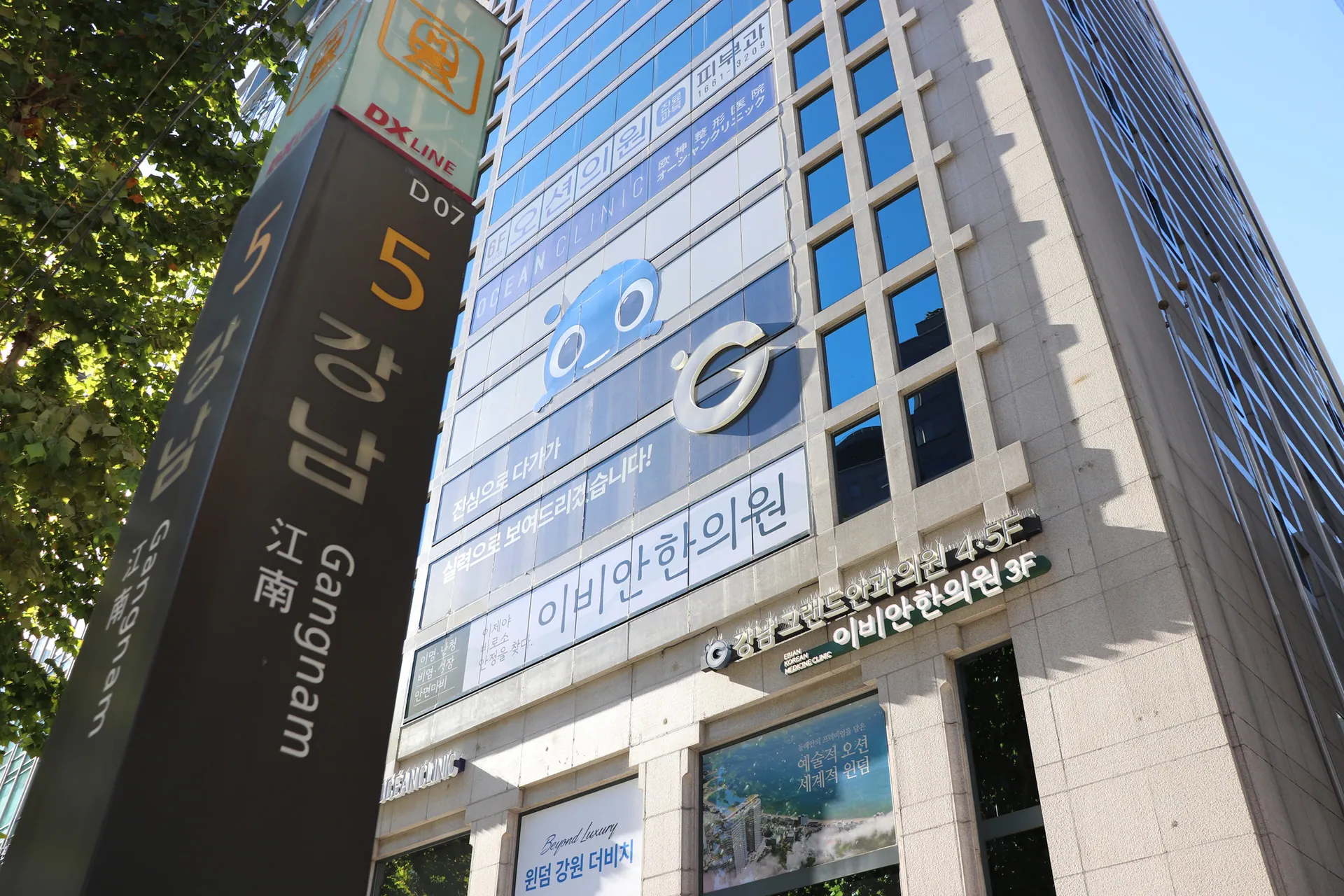
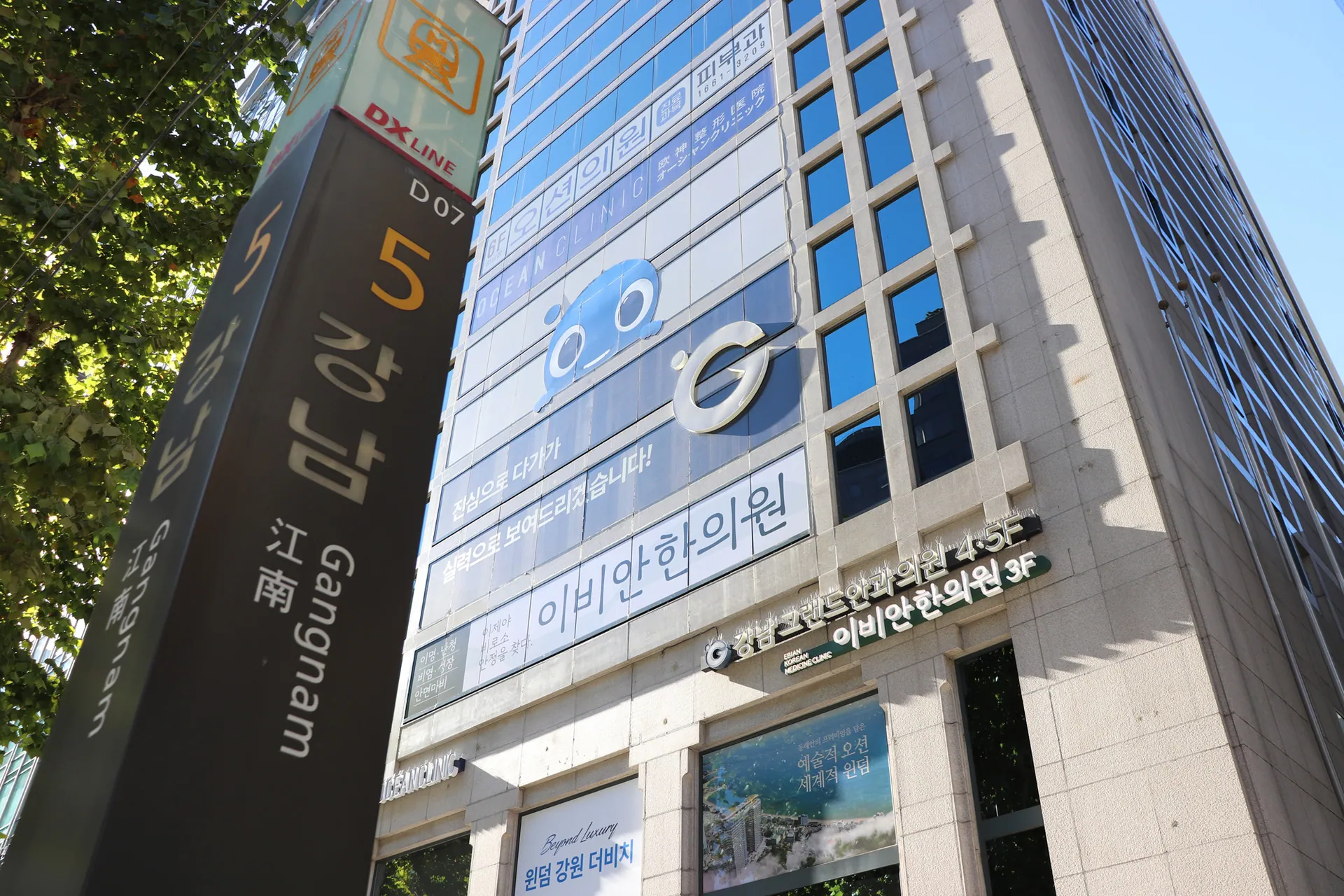
Located near Gangnam Station Exit 5, open 365 days a year, until 21:00 on weekdays. 3F, 363 Gangnam Tower, 363 Gangnam-daero, Seocho-gu, Seoul · +82-2-523-8080

This article provides health information summarizing medical research findings and Ebian Korean Medicine Clinic's clinical standards, and does not guarantee specific treatment outcomes. The cited statistics reflect research from external institutions and do not represent treatment success rates of Ebian Korean Medicine Clinic.

Acupuncture treatment may cause localized bruising (subcutaneous hemorrhage), temporary pain, stiffness, fatigue, or rarely dizziness depending on the individual. Herbal medicine may cause digestive discomfort, heartburn, diarrhea, itching, or rash in some individuals, and suitability depends on constitution or concurrent medications; please inform your practitioner in advance of any medications you are taking or if you are pregnant.

Treatment response and recovery vary individually. Please decide on symptoms and treatment options after thorough consultation with a Korean Medicine doctor. Avoid using saunas or public baths on the day of acupuncture treatment.

Last Updated

Third, we treat with an integrated approach
rather than a single method.

Tinnitus and hearing loss are complex conditions
that cannot improve with just a single treatment method.

Ebian Korean Medicine Clinic's prescription of Hwalcheong-tang to promote auditory nerve cell generation,
and awakening weakened auditory hair cells through

sound rehabilitation therapy combined with Hwalcheong external therapy to regenerate auditory nerves,
restoring hearing through an integrative approach.

Hours (Korea Standard Time, KST)
Weekdays09:00~21:00
Sat · Sun · Public Holidays09:00~16:00
Lunch Break12:30~14:00
Weekend & Holiday Lunch Break12:00~13:00

3F, 363 Gangnam-daero, Seocho-gu, Seoul (Seocho-dong)

(Gangnam Station, Exit 5)

Representative: Yeeun Min | Business name: Ebian Korean Medicine Clinic | Business registration no.: 448-92-00624

Main line: +82-2-523-8080 | Fax: +82-2-2651-8089 | Email: purun1888@naver.com

24/7 consultation — AI chat in your language · phone (Korean)

Privacy Policy     Non-Covered Medical Costs (Korean)

Hours (Korea Standard Time, KST)
Weekdays9:00~21:00
Sat · Sun · Public Holidays09:00~16:00
Lunch Break12:30~14:00
Weekend & Holiday Lunch Break12:00~13:00

3F, 363 Gangnam-daero, Seocho-gu, Seoul (Seocho-dong) (Gangnam Station, Exit 5)

Representative: Yeeun Min | Business name: Ebian Korean Medicine Clinic | Business registration no.: 448-92-00624

Main line: +82-2-523-8080 | Fax: +82-2-2651-8089 | Email: purun1888@naver.com Copyright ⓒ Ebian Korean Medicine Clinic All rights reserved.

24/7 consultation — AI chat in your language · phone (Korean)