Long-Standing Facial Palsy

Facial palsy becomes harder to treat the longer it lasts.

What is long-standing facial palsy?

Many patients who did not receive early treatment after facial palsy continue to feel subtle discomfort for years, even after the face appears to have recovered.

It is generally known that when facial palsy lasts more than 15 days, degeneration of the facial nerve

can lead to lingering effects or permanent impairment, so leaving it untreated may result in lasting effects.


About 3 months after onset, facial palsy enters the stage of lingering effects, and after 6 months it moves into the stage of advanced lingering effects.

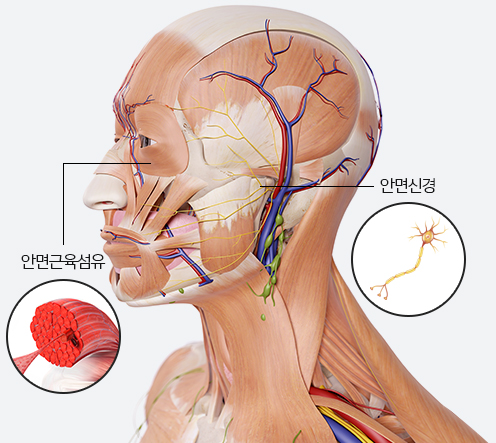
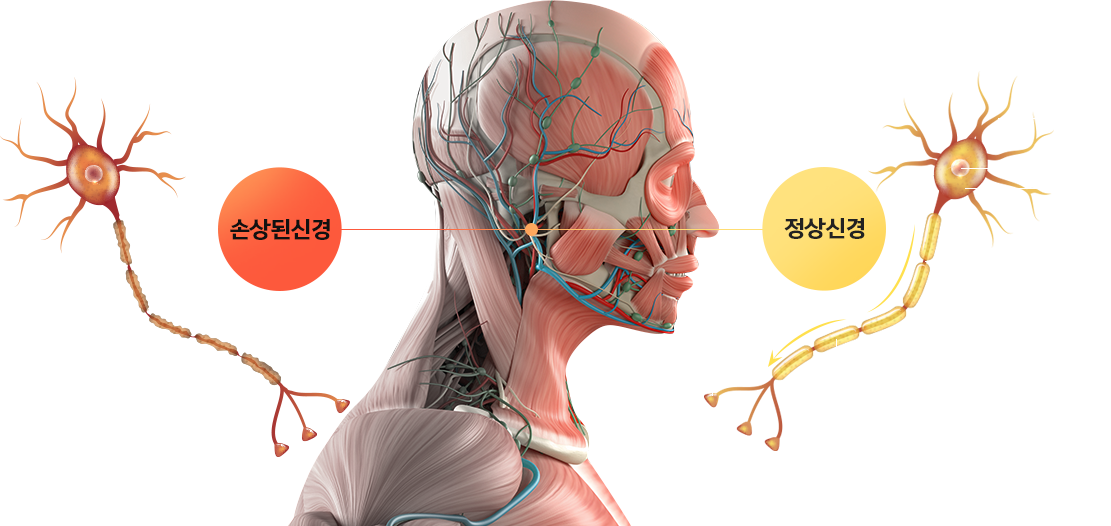
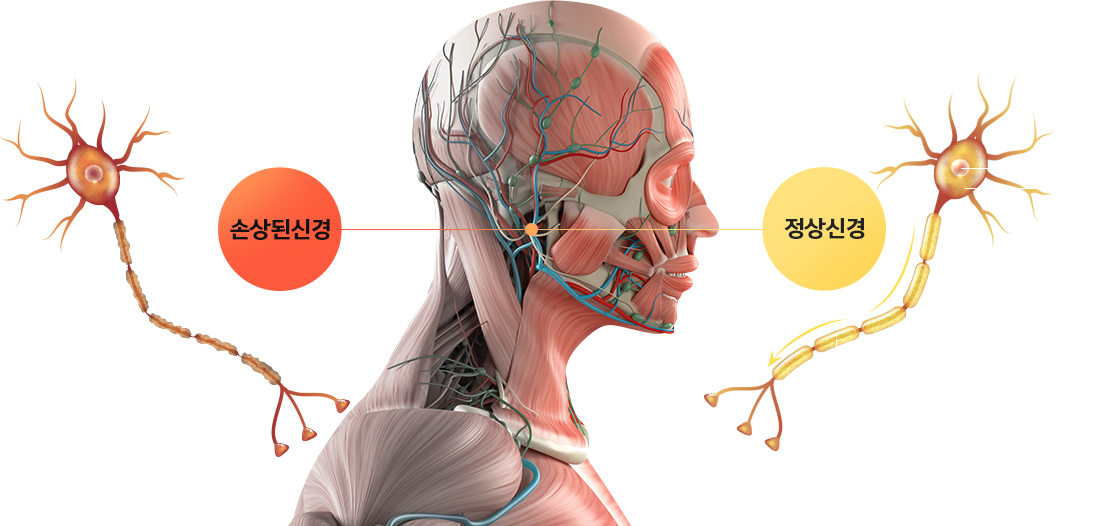
In long-standing facial palsy, the facial nerve pathway regenerates slowly, and the regenerating nerve branches are weak and thin, so they do not carry facial nerve signals well.

In most cases of long-standing facial palsy, the facial nerve has been disrupted. There may be swelling and inflammation in the surrounding nerve tissue,

and sometimes nerve branches reconnect incorrectly during regeneration, leaving lingering effects.

Long-Standing Facial Palsy

Facial palsy becomes harder to treat the longer it lasts. Do not hesitate to begin care.

Many patients who did not receive early treatment after facial palsy continue to feel subtle discomfort for years, even after the face appears to have recovered.

It is generally known that when facial palsy lasts more than 15 days, degeneration of the facial nerve

can lead to lingering effects or permanent impairment, so leaving it untreated may result in lasting effects.


About 3 months after onset, facial palsy enters the stage of lingering effects, and after 6 months it moves into the stage of advanced lingering effects.

In long-standing facial palsy, the facial nerve pathway regenerates slowly, and the regenerating nerve branches are weak and thin, so they do not carry facial nerve signals well.

In most cases of long-standing facial palsy, the facial nerve has been disrupted. There may be swelling and inflammation in the surrounding nerve tissue,

and sometimes nerve branches reconnect incorrectly during regeneration, leaving lingering effects.

For long-standing facial palsy, care should provide enough neurotrophic support

to help the facial nerve pathway regenerate and the damaged surrounding nerve tissue recover,

while also providing facial muscle correction so that facial nerve branches

regenerate along the right path.

Symptoms of long-standing facial palsy

If facial palsy is not treated early, it progresses to the stage of lingering effects from about 3 months after onset.

The longer facial palsy lasts, the more the paralyzed facial muscles weaken and stiffen, making recovery harder.

The facial nerve pathway regenerates slowly, and the regenerating nerve branches are weak and thin, so they do not carry facial nerve signals well.

If facial palsy is not treated early, it progresses to the stage of lingering effects from about 3 months after onset.

The longer facial palsy lasts, the more the paralyzed facial muscles weaken and stiffen, making recovery harder.

The facial nerve pathway regenerates slowly, and the regenerating nerve branches are weak and thin, so they do not carry facial nerve signals well.

Our approach to lingering effects of facial palsy

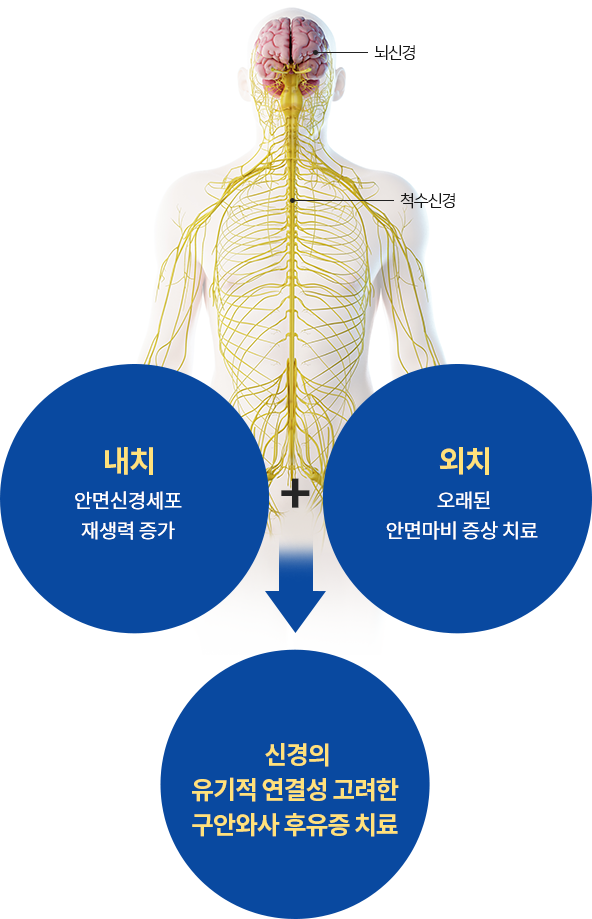
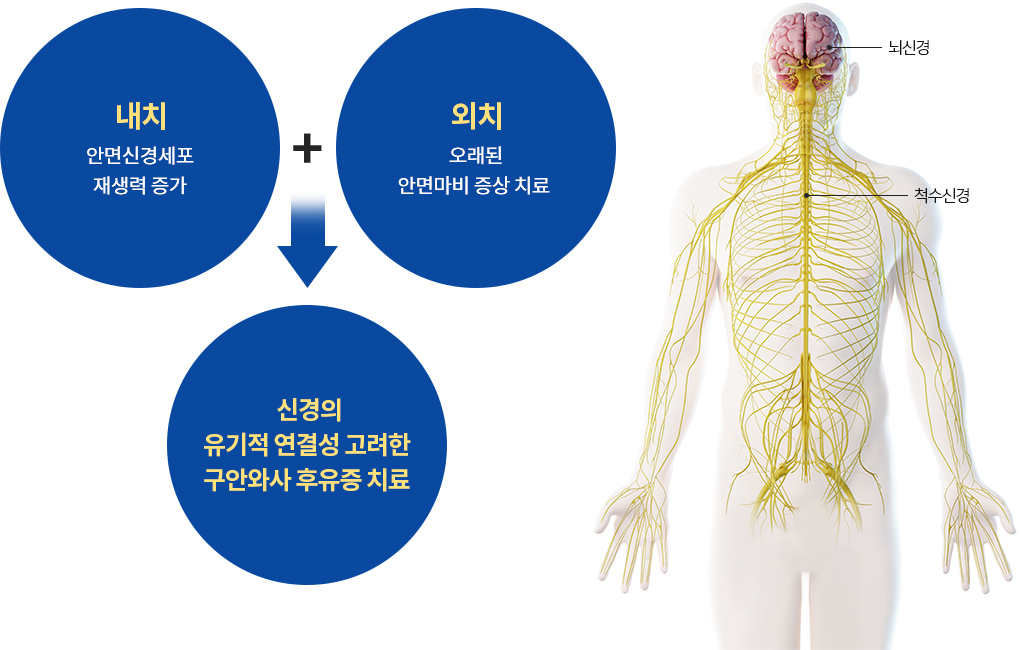
Integrated care for the facial nerve as part of one signaling system

The facial nerve starts at the base of the brain and reaches the face, but in the body as a whole it is connected as one signaling system.

When organ function declines and circulation is poor, cells that support facial nerve recovery are not produced.

If there is a problem in the spinal nerves connected to the brain, the peripheral nervous system can also break down, and facial palsy symptoms may not improve even when the facial nerve pathway is addressed.

To care for lingering effects of facial palsy, Ebian Korean Medicine Clinic examines the condition of the whole body, not just the face.


Key points of care for long-standing facial palsy

Generally, about 60–70% of people with facial palsy are reported to recover without lasting effects.

In other words, 6–7 out of 10 people recover, but 3–4 do not return to how their face looked before and are left with lingering effects.

Because the facial nerve tissue recovers more slowly over time, and because incorrect nerve connections can form during regeneration when the pathway has been disrupted, lingering effects can remain;

so when facial palsy symptoms appear, prompt care using several approaches rather than one is important.

Patients more likely to develop lingering effects of facial palsy

Patients more likely to develop lingering effects of facial palsy

Ebian Korean Medicine Clinic

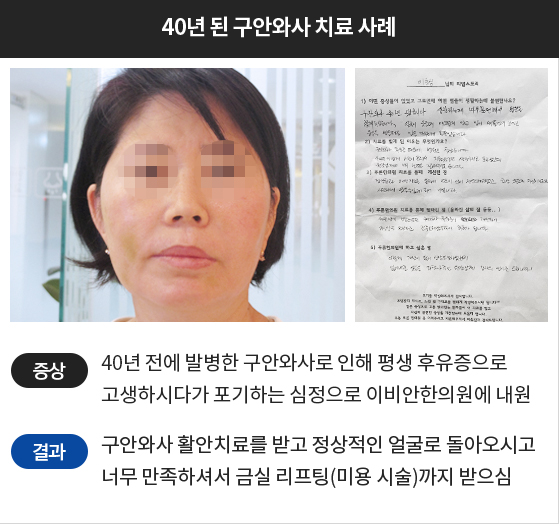
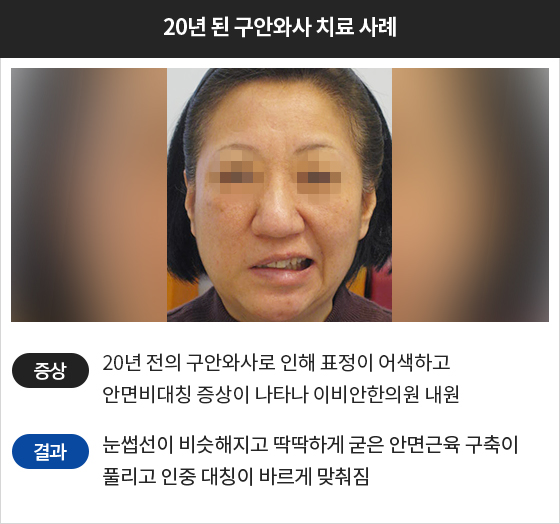
We have also cared for patients

whose facial palsy began long ago.


Facial palsy becomes harder to treat the longer it lasts.

Prompt care is key. Do not hesitate to begin care.

Ebian Korean Medicine Clinic has also cared for patients whose facial palsy began long ago.

whose facial palsy began long ago.


Facial palsy becomes harder to treat the longer it lasts.

Prompt care is key.

Do not hesitate to begin care.

Facial Palsy Care Information

For recovery of the facial nerve pathway:

our step-by-step facial palsy care

Facial palsy arises from a problem in the signaling system of the facial nerve pathway. The facial nerve regenerates, though slowly.

We look at the condition of the paralyzed facial muscles and nerve system and provide care.

Ebian Korean Medicine Clinic has developed its own integrated approach to supporting recovery of a damaged facial nerve pathway.

Rather than treating only the visible symptoms of facial palsy, we care for the whole body, combining internal and external treatments.

Facial palsy arises from a problem in the signaling system of the facial nerve pathway. The facial nerve regenerates, though slowly.

We look at the condition of the paralyzed facial muscles and nerve system and provide care.

Ebian Korean Medicine Clinic has developed its own integrated approach to supporting recovery of a damaged facial nerve pathway.

Rather than treating only the visible symptoms of facial palsy, we care for the whole body, combining internal and external treatments.

Korean herbal medicine for facial palsy

An herbal prescription intended to support facial nerve recovery

Prescribed after examining the condition of the facial nerve

Our herbal prescription for facial palsy was developed from Ebian Korean Medicine Clinic's clinical experience and is intended to support facial nerve recovery.

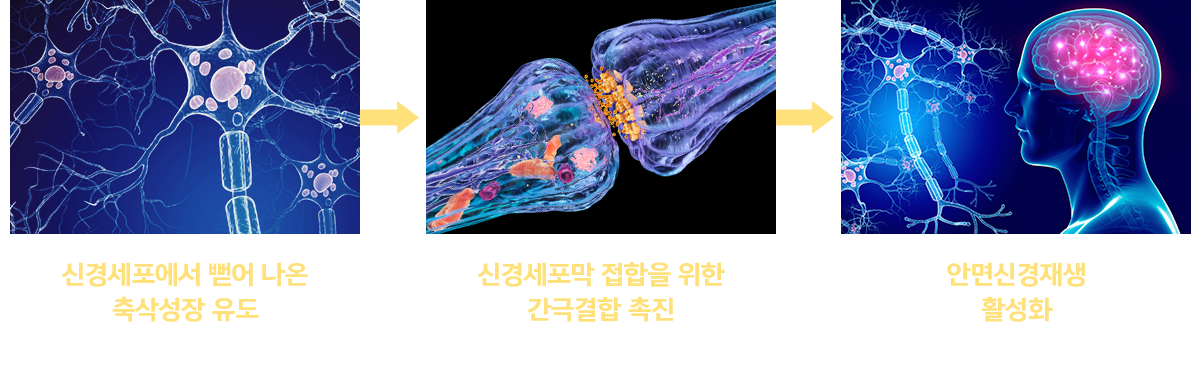
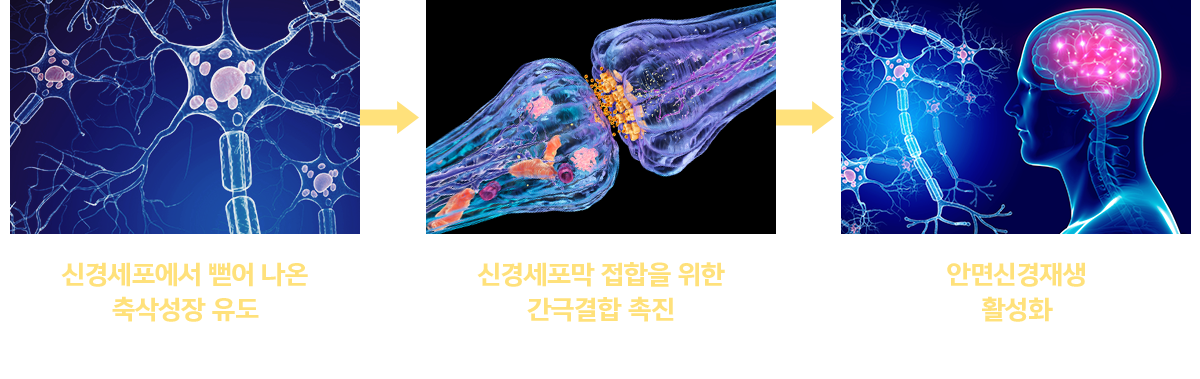
It is intended to help axons extending from nerve cells grow in the right direction and to support gap junctions so that connections between nerve cells form well.

It is not a short-term medication that only reduces swelling and inflammation of the facial nerve.

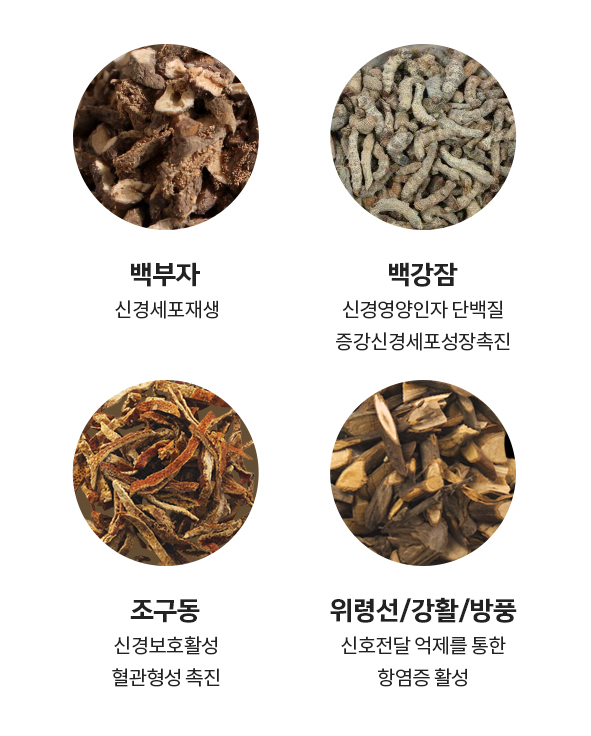
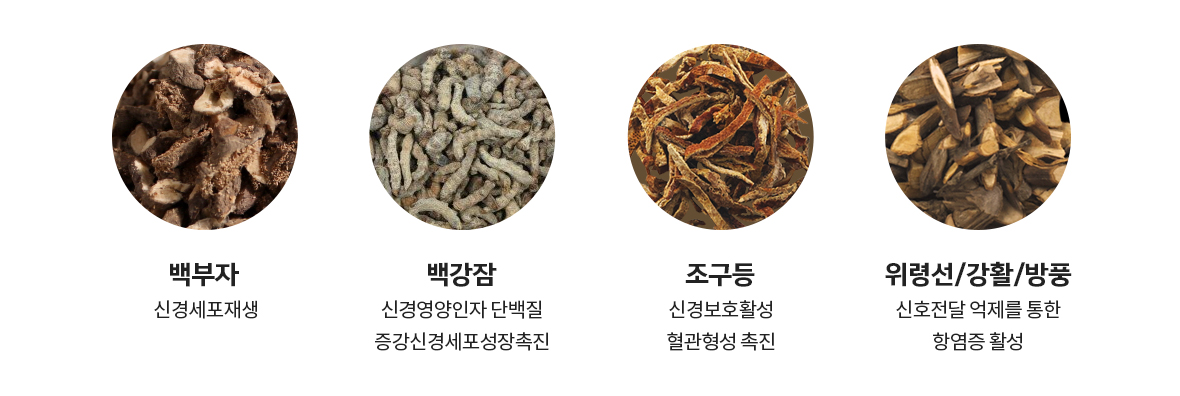
Ingredients such as Typhonium tuber (Baekbuja), silkworm (Baekgangjam), Uncaria hook, Clematis root, Notopterygium root, and Saposhnikovia root are used, and the formula is tailored to each patient's condition.

Herbs that support the function of each patient's weaker internal organs are also added to strengthen organ activity at the same time.

This herbal medicine is prescribed after examining the condition of the facial nerve, and responses vary from person to person.

Acupuncture for facial palsy

Combined acupuncture for paralyzed facial muscles

Korean herbal medicine for facial palsy

An herbal prescription intended to support facial nerve recovery

Prescribed after examining the condition of the facial nerve

Our herbal prescription for facial palsy was developed from Ebian Korean Medicine Clinic's clinical experience with facial palsy and is intended to support facial nerve recovery.

It is intended to help axons extending from nerve cells grow in the right direction and to support gap junctions so that connections between nerve cells form well.

It is not a short-term medication that only reduces swelling and inflammation of the facial nerve.

Ingredients such as Typhonium tuber (Baekbuja), silkworm (Baekgangjam), Uncaria hook, Clematis root, Notopterygium root, and Saposhnikovia root are used, and the formula is tailored to each patient's condition.

Herbs that support the function of each patient's weaker internal organs are also added to strengthen organ activity at the same time.

This herbal medicine is prescribed after examining the condition of the facial nerve, and responses vary from person to person.

Thread-embedding acupuncture

Aims to support the facial fascia and the expression and retaining ligaments to help correct uneven facial muscles

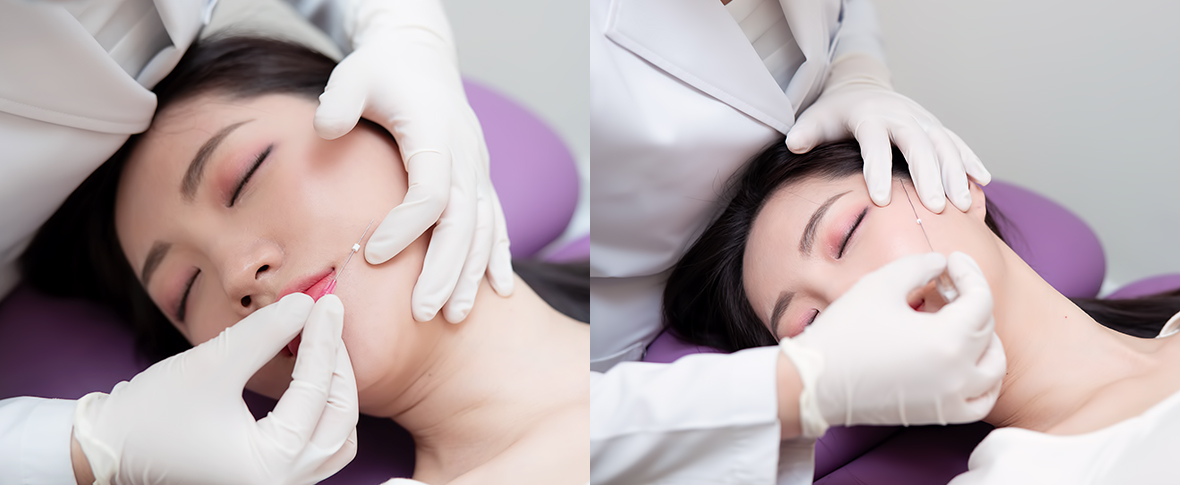
Thread-embedding acupuncture places medical threads in the face to support the facial fascia and the expression and retaining ligaments and help correct uneven facial muscles.

It is also intended to act as a guide so that gap junctions in nerve cell membranes form in the right direction.

Our thread-embedding acupuncture for facial palsy uses three types of thread—deep, fascial, and expression threads.

Because facial palsy symptoms differ from patient to patient, we do not rely on a single type of thread;

threads are combined according to the degree of muscle weakness, paralysis, and abnormal expression.


Fine facial acupuncture

Needles thinner than a hair to address subtle problems in the small expression muscles

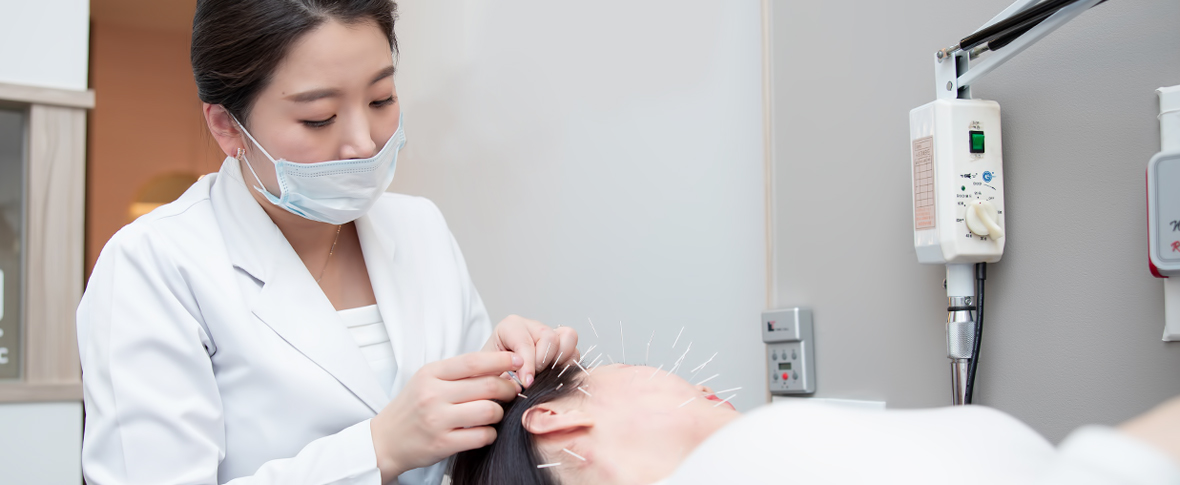
About 100–150 fine needles thinner than a hair are placed on the paralyzed areas of the face.

Fine facial acupuncture is used to help with awkward facial expressions.

After the main facial palsy symptoms are addressed with thread-embedding acupuncture, fine facial acupuncture

addresses subtle problems in the small expression muscles,

to help you make natural facial expressions.


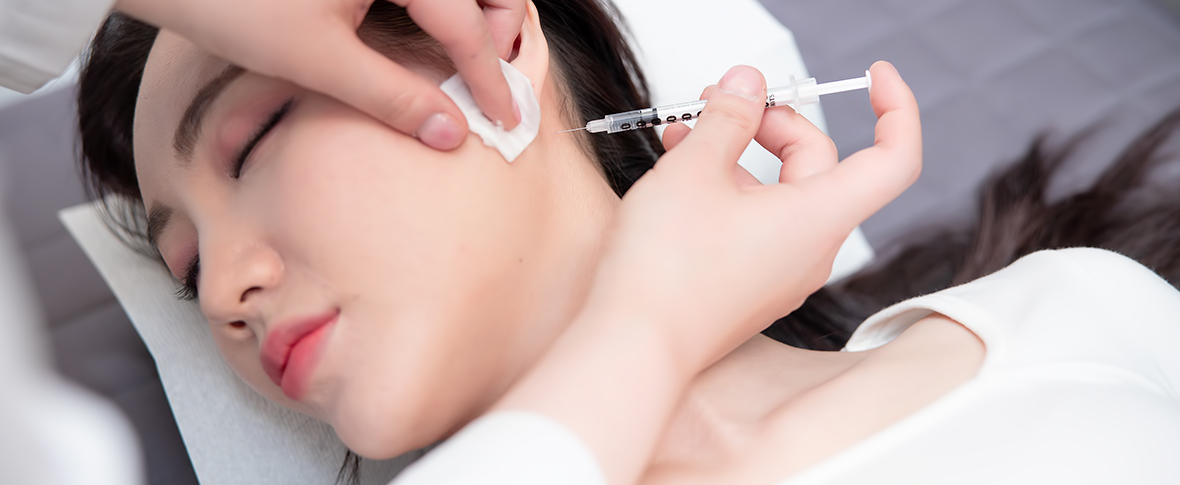
Facial nerve pharmacopuncture

Herbal extract applied directly at facial nerve acupoints

An herbal extract is applied directly at facial nerve acupoints to support the growth of new facial nerve branches from the ends of damaged nerve pathways.

Facial nerve pharmacopuncture includes two types of pharmacopuncture.

One is intended to reduce swelling and inflammation around the damaged facial nerve pathway and support nerve tissue recovery.

The other applies substances extracted from bee venom at facial nerve acupoints (bee venom pharmacopuncture).


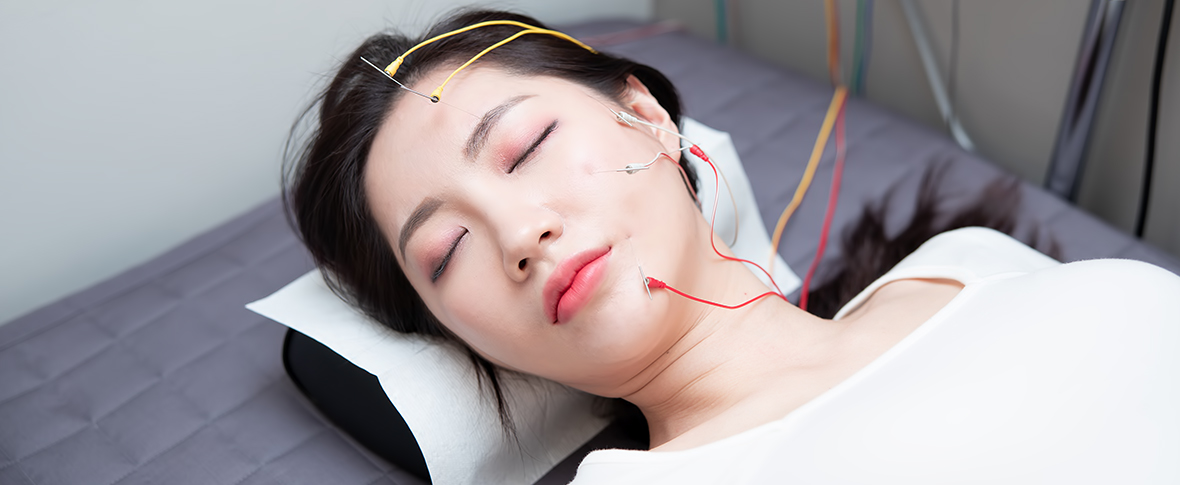
Facial electroacupuncture

Electrical stimulation along the direction of the paralyzed muscle fibers

Facial electroacupuncture applies fine electrical stimulation to stiff facial muscles, repeatedly contracting and relaxing them.

Our facial electroacupuncture applies electrical stimulation along the course of the facial nerve pathway.

For peripheral nerve disorders, we combine low-frequency stimulation and look at the condition of the paralyzed muscles.

Facial nerve balance care

addressing both the peripheral and central nervous systems of the face


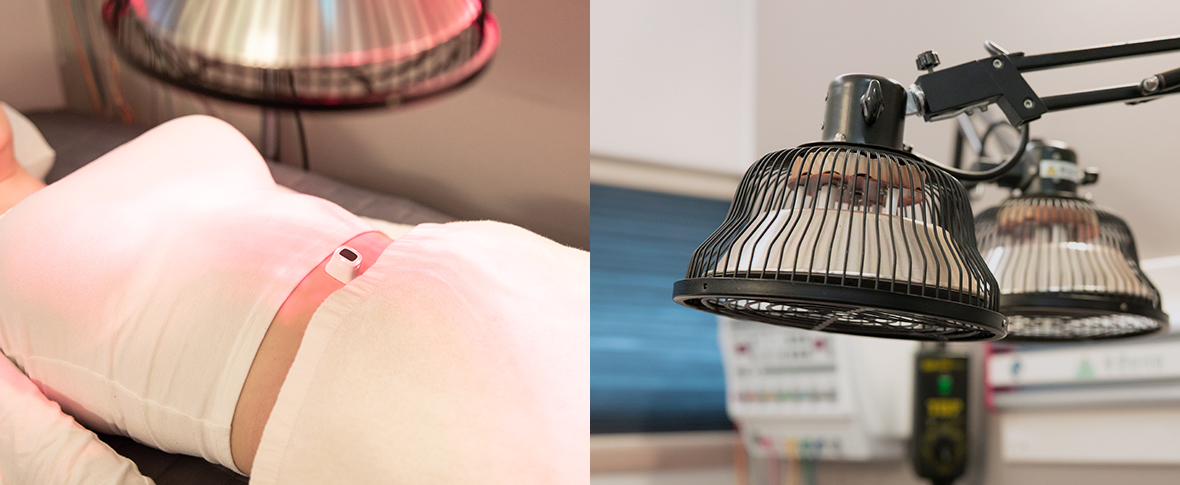
Deep abdominal moxibustion

Warming stimulation of abdominal acupoints that influence the facial nerve

Heat is delivered up to 10 cm beneath the skin of the abdomen to promote the circulation of qi and blood in the internal organs and blood flow to the facial nerve.

Abdominal circulation plays an important role in the body's overall facial nerve signaling,

and moxibustion on acupoints that influence the facial nerve may help when the face feels tingly or has lost sensation.

How our integrated facial palsy care began

"Facial palsy can be a lonely and difficult struggle. We will stay with you until you can smile again."

People with facial palsy look at their paralyzed face in the mirror every day, and their hearts ache.

Many follow what one clinic tells them,

and you can discuss the direction of care while checking your progress during treatment;

otherwise, the early window for treatment is often missed.


Seeing patients who had struggled with lingering effects of facial palsy come to Ebian Korean Medicine Clinic

and continue their care,

we learned that caring for facial palsy requires not a single stopgap method but

an integrated approach to the strengths and weaknesses of the internal organs

and the symptoms of facial paralysis together,

and that this is what matters.

Above all, in the long struggle

with facial palsy, we must comfort patients' hearts and prepare hope together so that they do not give up.


In our facial palsy care, Ebian Korean Medicine Clinic has met many patients with facial palsy. The visible symptoms may look similar, but the causes all differ,

and so do their constitutions.

We plan facial palsy care according to when it began and how severe the paralysis is.


That is why we developed integrated facial palsy care that combines internal and external treatments.

Through this integrated care, we will treat your face with the same care we would give our own.

Hours (Korea Standard Time, KST)
Weekdays09:00~21:00
Sat · Sun · Public Holidays09:00~16:00
Lunch Break12:30~14:00
Weekend & Holiday Lunch Break12:00~13:00

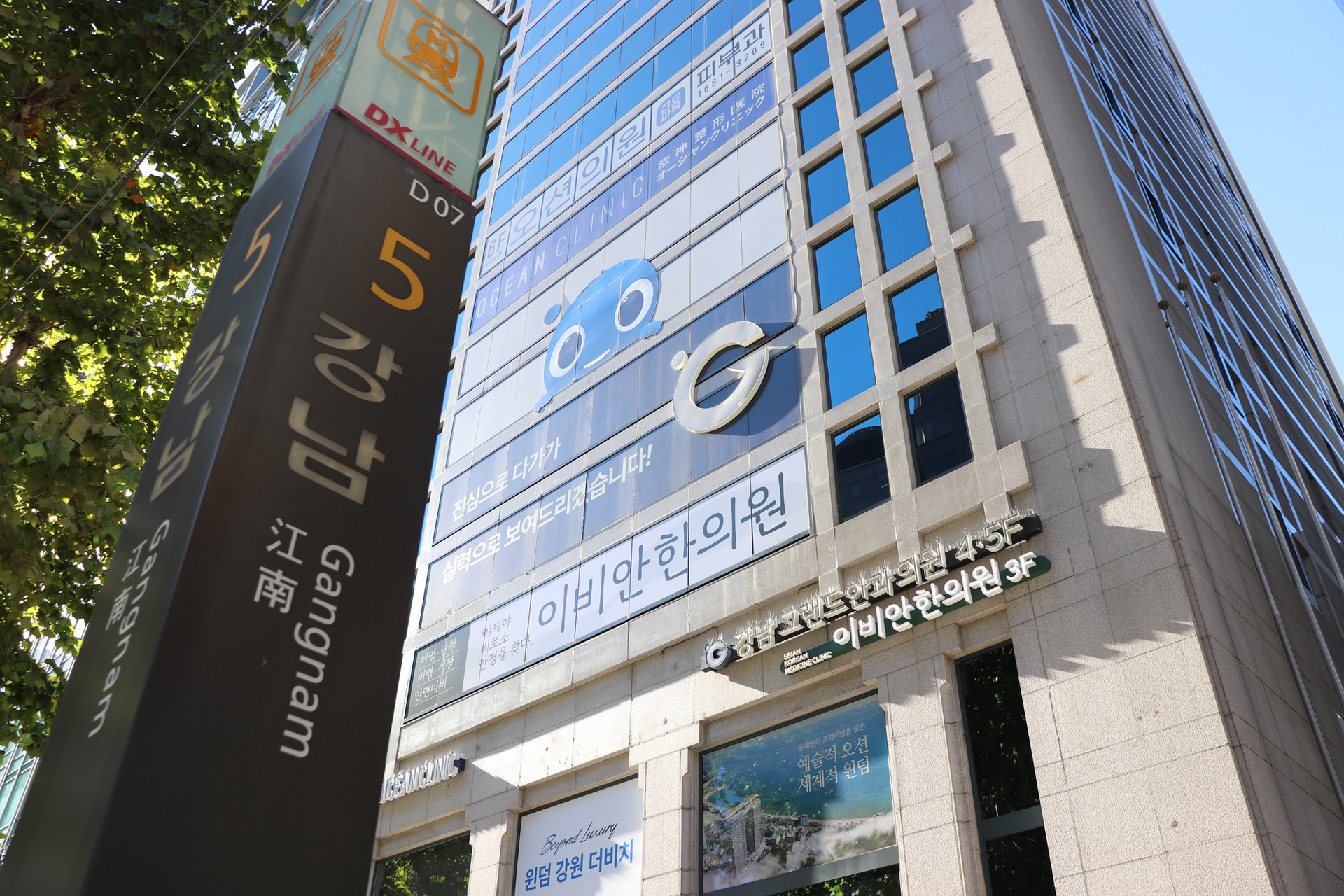
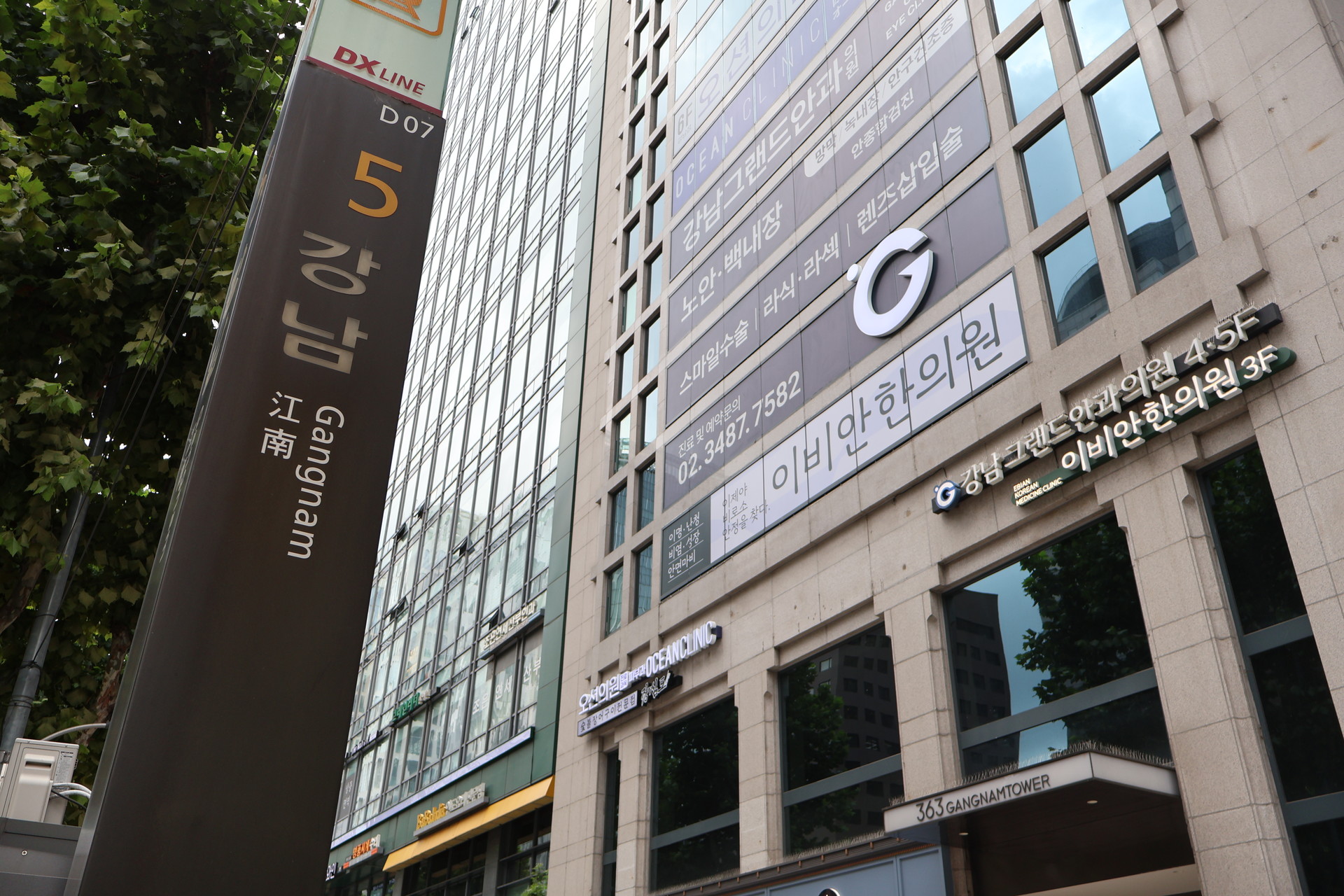
3F, 363 Gangnam-daero, Seocho-gu, Seoul (Seocho-dong)

(Gangnam Station, Exit 5)

Representative: Yeeun Min | Business name: Ebian Korean Medicine Clinic | Business registration no.: 448-92-00624

Main line: +82-2-523-8080 | Fax: +82-2-2651-8089 | Email: purun1888@naver.com

Hours (Korea Standard Time, KST)
Weekdays9:00~21:00
Sat · Sun · Public Holidays09:00~16:00
Lunch Break12:30~14:00
Weekend & Holiday Lunch Break12:00~13:00

3F, 363 Gangnam-daero, Seocho-gu, Seoul (Seocho-dong) (Gangnam Station, Exit 5)

Representative: Yeeun Min | Business name: Ebian Korean Medicine Clinic | Business registration no.: 448-92-00624

Main line: +82-2-523-8080 | Fax: +82-2-2651-8089 | Email: purun1888@naver.com Copyright ⓒ 2020 Ebian Korean Medicine Clinic All rights reserved.