Otitis Media
We look at the connected ears, nose, and throat together, check the cause of otitis media, and tailor care to your condition.
Otitis Media
We look at the connected ears, nose, and throat together, check the cause of otitis media, and tailor care to your condition.
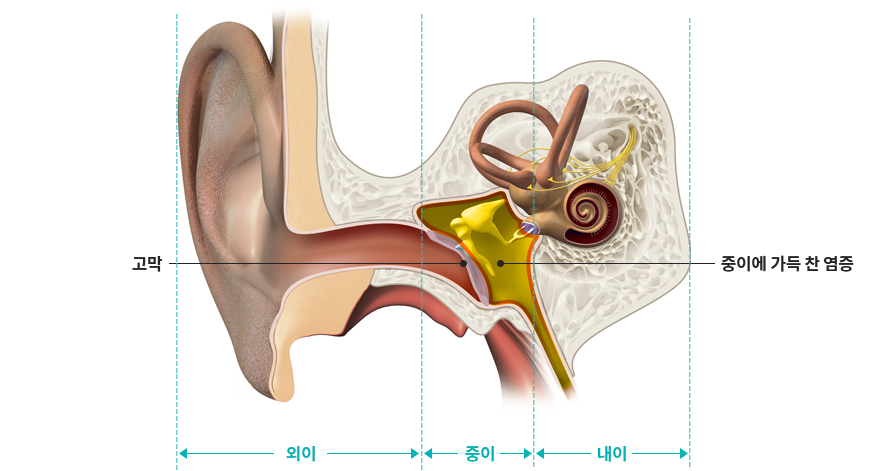
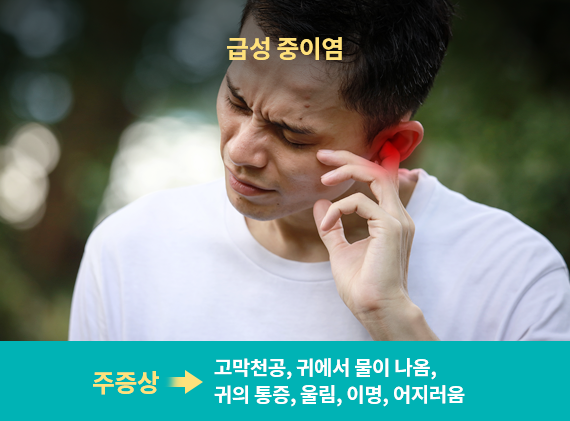
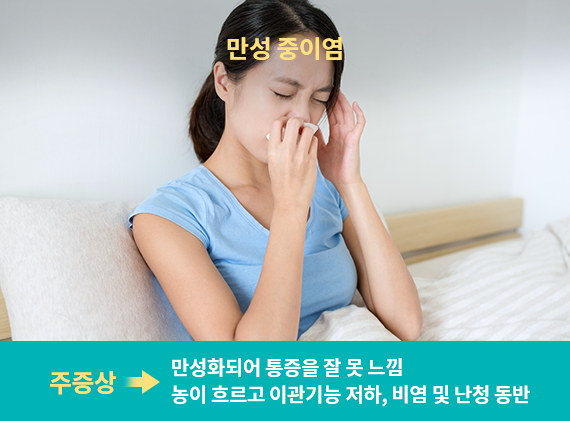
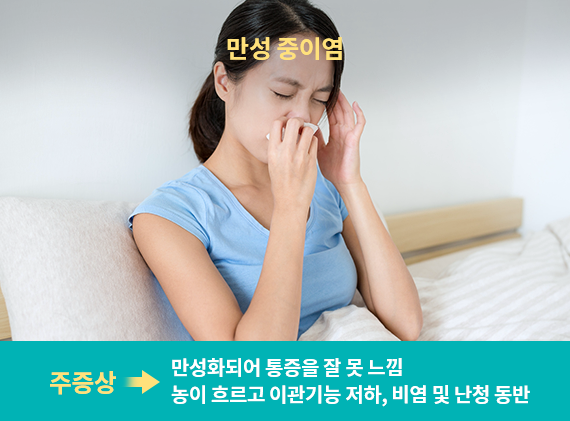
Otitis media causes symptoms such as ear pain, a sense of something in the ear, fullness, and high fever. It develops when fluid collects in the Eustachian tube, which connects the nose and ear,
and bacteria enter.
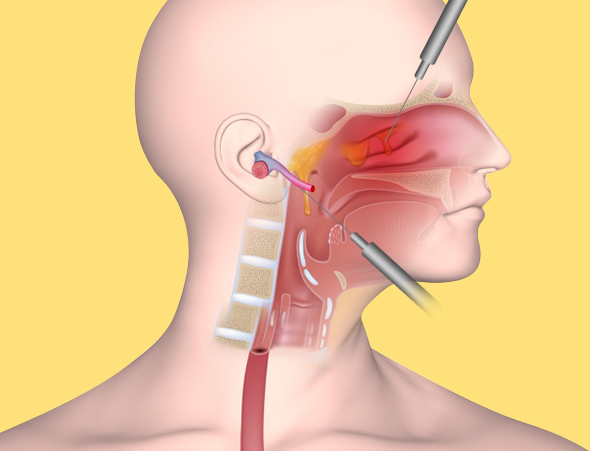
The Eustachian tube and the nasal cavity are connected.
The Eustachian tube is normally closed and opens briefly when you swallow or yawn,
allowing secretions in the middle ear to drain into the nasal cavity.
However, when the nasal cavity (nasal airway) is blocked by rhinitis or sinusitis, middle ear secretions cannot drain, and inflammation of the nasal lining travels into the Eustachian tube and causes inflammation there.
Otitis Media
We look at the connected ears, nose, and throat together, check the cause of otitis media, and tailor care to your condition.
Otitis media causes symptoms such as ear pain, a sense of something in the ear, fullness, and high fever. It develops when fluid collects in the Eustachian tube, which connects the nose and ear, and bacteria enter.
The Eustachian tube and the nasal cavity are connected.
The Eustachian tube is normally closed and opens briefly when you swallow or yawn,
allowing secretions in the middle ear to drain into the nasal cavity.
However, when the nasal cavity (nasal airway) is blocked by rhinitis or sinusitis, middle ear secretions cannot drain, and inflammation of the nasal lining travels into the Eustachian tube and causes inflammation there.
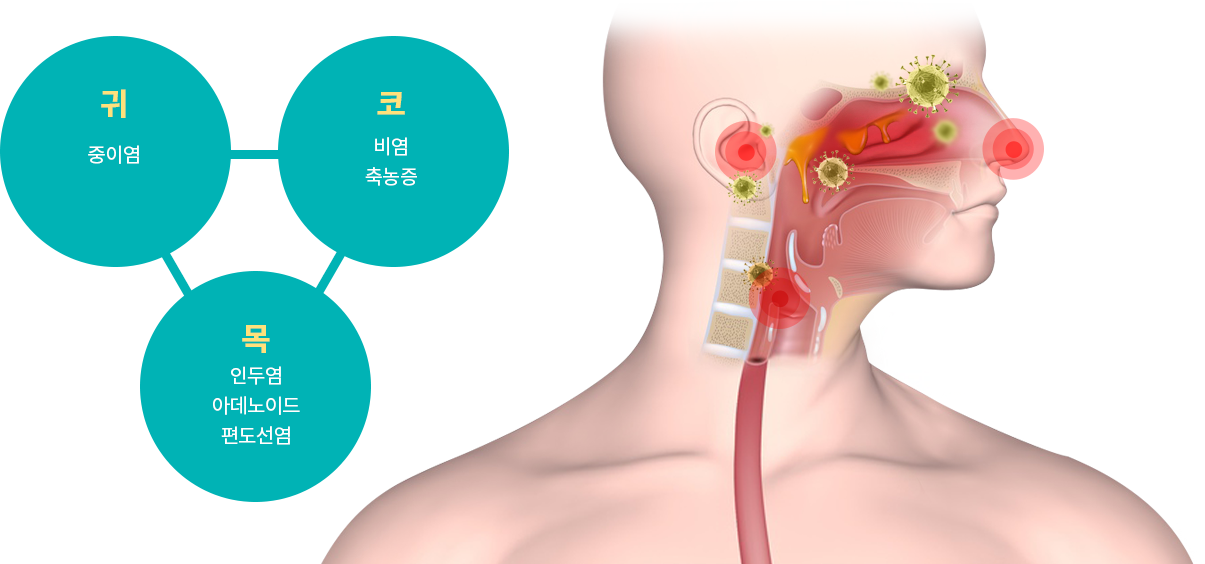
Ears, nose, and throat: connected by a single airway
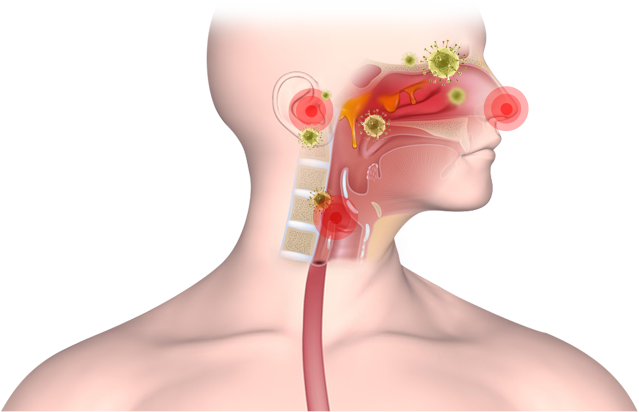
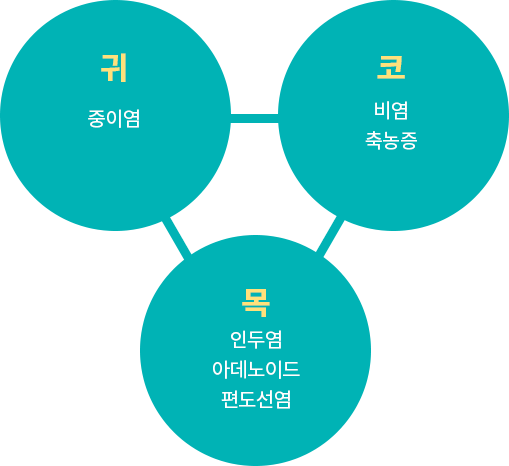
Otitis media is closely related to nasal respiratory conditions such as rhinitis and sinusitis, and to throat conditions such as pharyngitis and tonsillitis.
When the nose and throat become inflamed and swollen, the airway is blocked. When the airway is blocked, the lining of the nose and throat becomes inflamed and swollen.
Once inflammation sets in, it is natural for viruses to become active and for inflammatory secretions to form.
If inflammation in the airway is not treated promptly, it can travel up to the ear through the Eustachian tube, the passage connecting the nose and ear.
When the Eustachian tube becomes inflamed and swollen, negative pressure develops inside the middle ear, and fluid can collect there or inflammation can develop, resulting in otitis media.
For this reason, we look at the state of inflammation in the ear and also consider Korean Medicine care that helps open the airway,
to help keep inflammation from developing in the ear.

Otitis media is closely related to nasal respiratory conditions such as rhinitis and sinusitis, and to throat conditions such as pharyngitis and tonsillitis.
When the nose and throat become inflamed and swollen, the airway is blocked. When the airway is blocked, the lining of the nose and throat becomes inflamed and swollen.
Once inflammation sets in, it is natural for viruses to become active and for inflammatory secretions to form.
If inflammation in the airway is not treated promptly, it can travel up to the ear through the Eustachian tube, the passage connecting the nose and ear.
When the Eustachian tube becomes inflamed and swollen, negative pressure develops inside the middle ear, and fluid can collect there or inflammation can develop, resulting in otitis media.
For this reason, we look at the state of inflammation in the ear and also consider Korean Medicine care that helps open the airway,
to help keep inflammation from developing in the ear.

How we look for the causes of otitis media
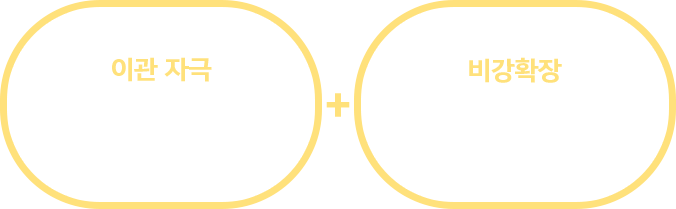
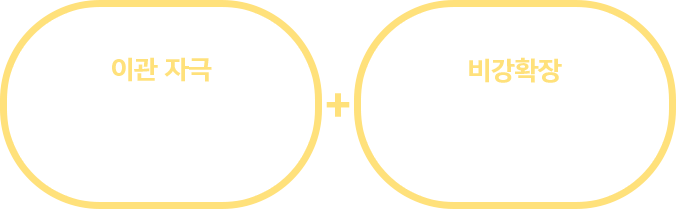
Eustachian tube stimulation + nasal airway care
Because otitis media results from a blocked Eustachian tube and nasal airway, care for the blocked Eustachian tube should be combined with care for the nasal airway.
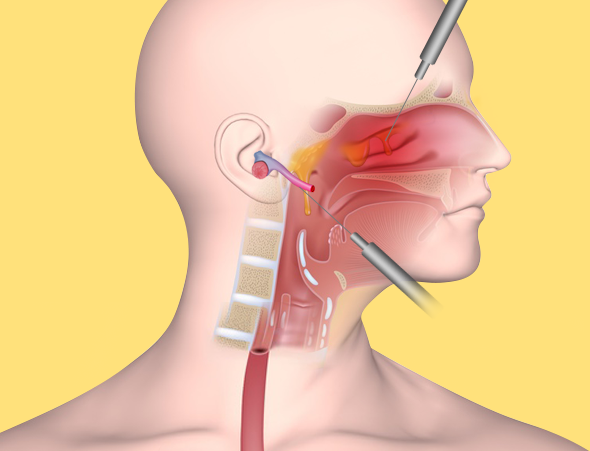
Stimulating the Eustachian tube and nasal cavity aims to clear inflammation and secretions from the lining and support the release of immune and repair factors so that normal function can return;
recurrent otitis media is approached by looking at its causes with Korean Medicine care.
How we look for the causes of otitis media
Eustachian tube stimulation + nasal airway care
Because otitis media results from a blocked Eustachian tube and nasal airway,
care for the blocked Eustachian tube should be combined with care for the nasal airway.
Stimulating the Eustachian tube and nasal cavity aims to clear inflammation and secretions from the lining
and support the release of immune and repair factors so that normal function can return.
For recurrent otitis media, we look at the causes and provide Korean Medicine care.
When acute otitis media causes a swollen eardrum and severe pain,
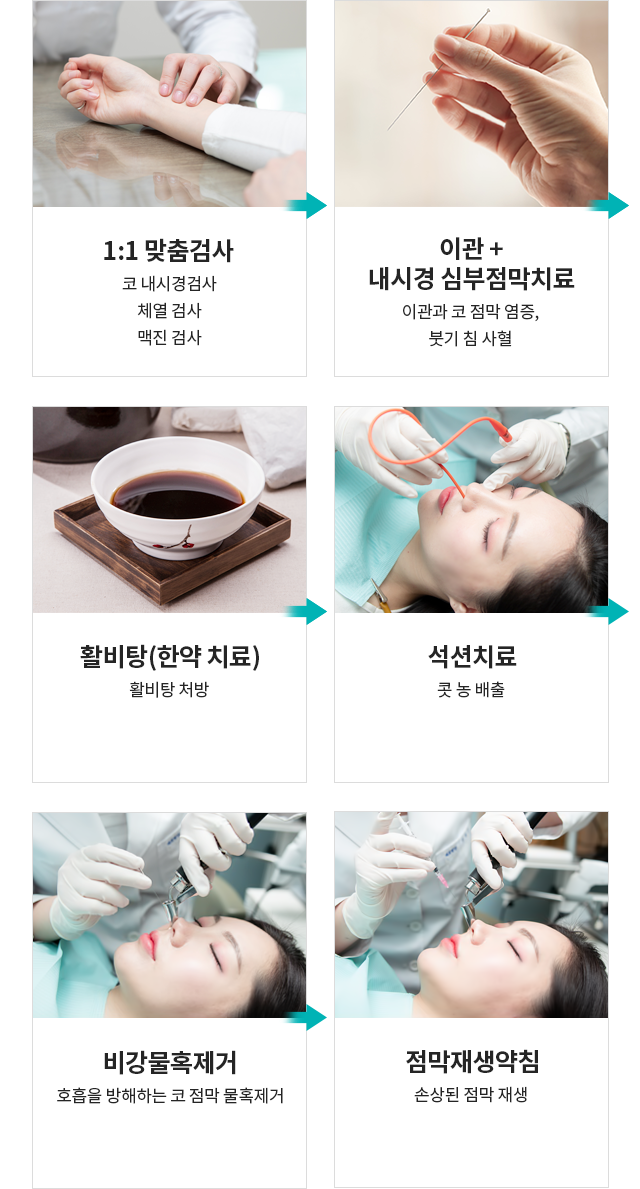
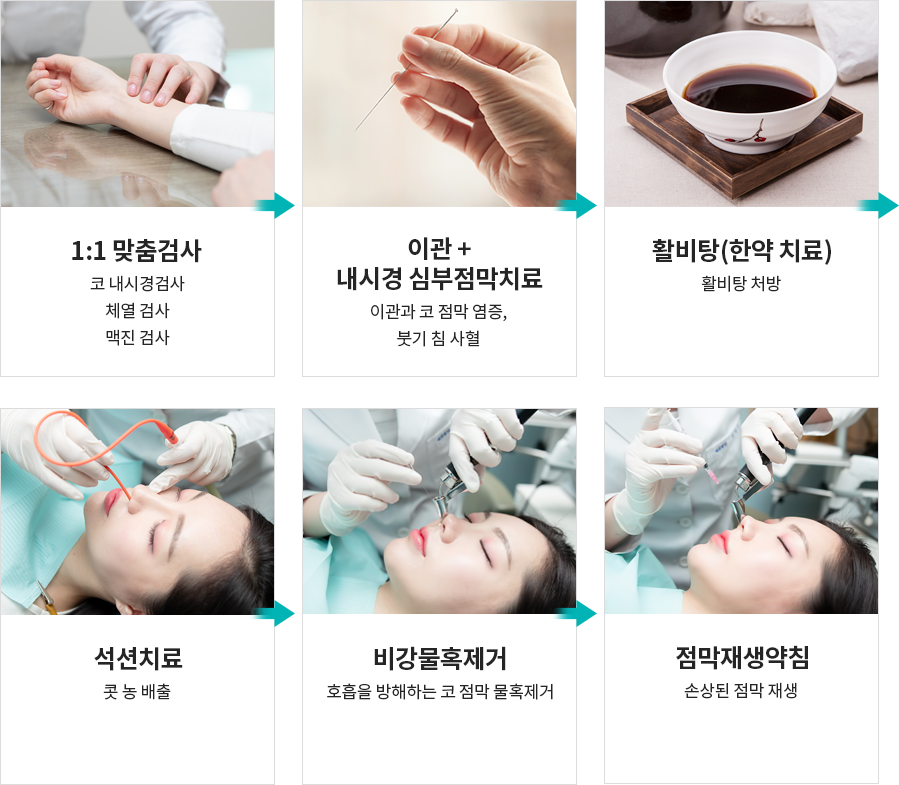
we prescribe Hwalbi-tang, an herbal decoction intended to clear heat built up in the body and ease inflammation.
To help drain fluid and secretions from the ear,
we provide Eustachian tube stimulation and nasal airway care.
At the same time, we support recovery to help strengthen the Eustachian tube.
Chronic otitis media is often accompanied by rhinitis, so rhinitis care is often provided at the same time.
We review your history of antibiotic use and provide Korean Medicine care suited to your condition,
prescribing Hwalbi-tang, an herbal decoction intended to support respiratory function and help strengthen the Eustachian tube.
To improve circulation in the airways of the ears, nose, and throat, we combine Eustachian tube care, nasal airway care,
and external respiratory therapies.
When acute otitis media causes a swollen eardrum and severe pain,
we prescribe Hwalbi-tang, an herbal decoction intended to clear heat built up in the body and ease inflammation.
To help drain fluid and secretions from the ear,
we provide Eustachian tube stimulation and nasal airway care.
At the same time, we support recovery to help strengthen the Eustachian tube.
We review your history of antibiotic use and provide Korean Medicine care suited to your condition, prescribing Hwalbi-tang, an herbal decoction intended to support respiratory function and help strengthen the Eustachian tube.
To improve circulation in the airways of the ears, nose, and throat, we combine Eustachian tube care, nasal airway care,
and external respiratory therapies.
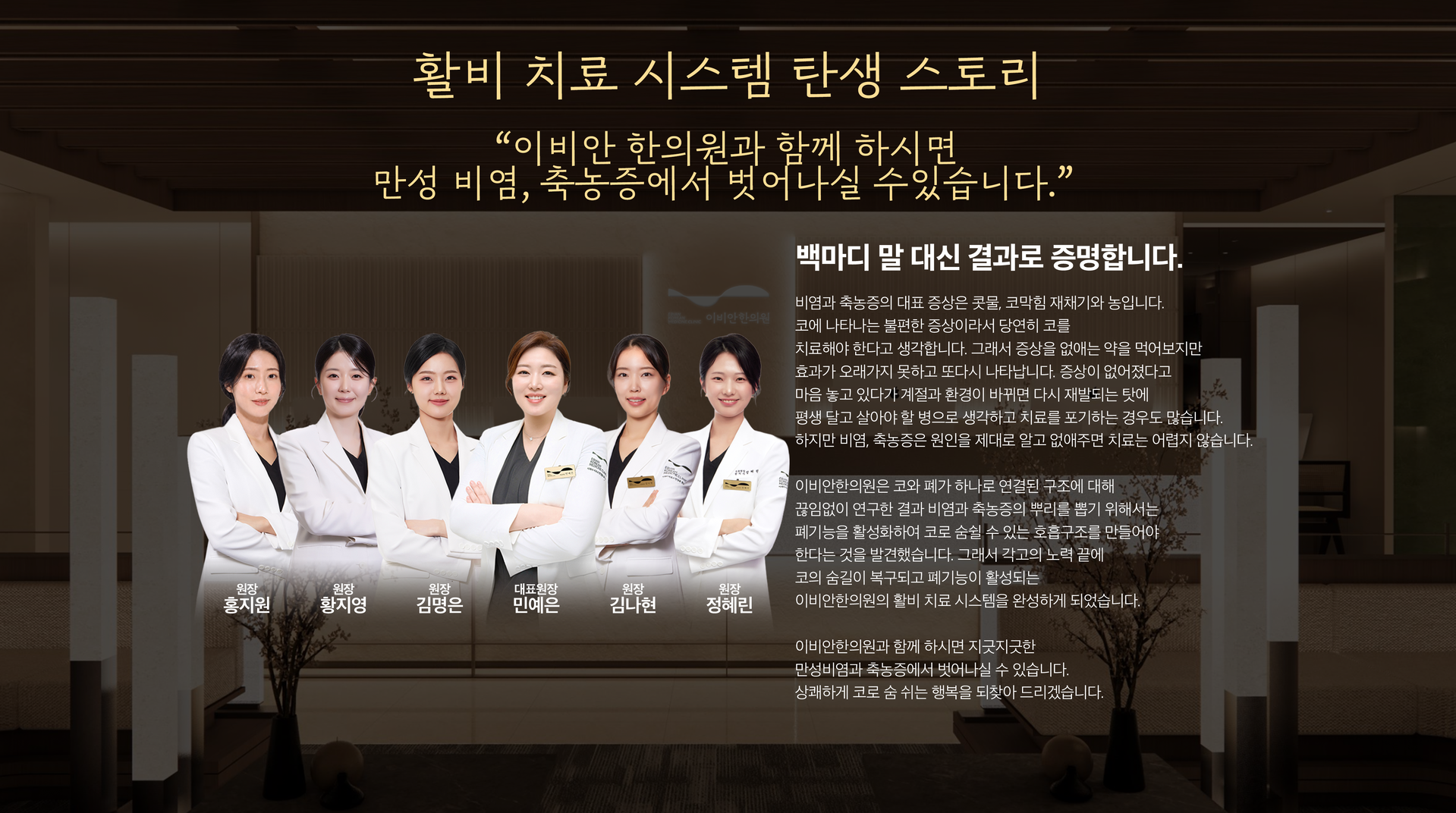
How our nasal and airway care began
We tailor care to each patient's condition.
Through ongoing research into how the ears, nose, and throat
are connected as a single airway,
Ebian Korean Medicine Clinic found that chronic otitis media calls for looking at the whole body, not just inflammation in the ear, and for integrated care that opens the airway
to help keep inflammation from developing
in the ear.

After much effort, we developed Ebian Korean Medicine Clinic's nasal and airway care,
which aims to restore the nasal airway
and care for a blocked Eustachian tube.
For chronic otitis media, Ebian Korean Medicine Clinic provides acupuncture, pharmacopuncture, and Korean herbal medicine after an examination.
| Weekdays | 09:00~21:00 |
| Sat · Sun · Public Holidays | 09:00~16:00 |
| Lunch Break | 12:30~14:00 |
| Weekend & Holiday Lunch Break | 12:00~13:00 |
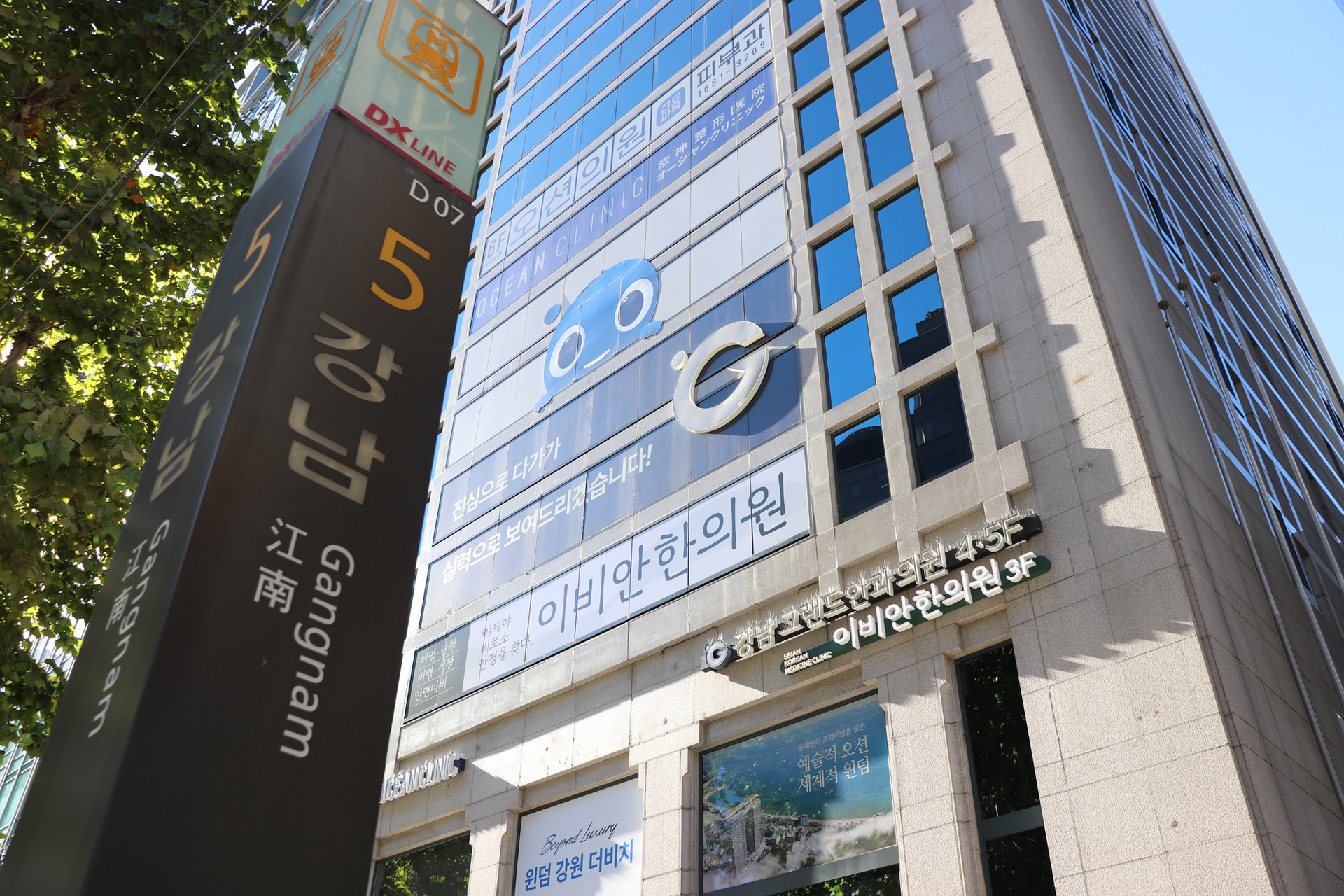
3F, 363 Gangnam-daero, Seocho-gu, Seoul (Seocho-dong)
(Gangnam Station, Exit 5)
Representative: Yeeun Min | Business name: Ebian Korean Medicine Clinic | Business registration no.: 448-92-00624
Main line: +82-2-523-8080 | Fax: +82-2-2651-8089 | Email: purun1888@naver.com
| Weekdays | 9:00~21:00 |
| Sat · Sun · Public Holidays | 09:00~16:00 |
| Lunch Break | 12:30~14:00 |
| Weekend & Holiday Lunch Break | 12:00~13:00 |
3F, 363 Gangnam-daero, Seocho-gu, Seoul (Seocho-dong) (Gangnam Station, Exit 5)
Representative: Yeeun Min | Business name: Ebian Korean Medicine Clinic | Business registration no.: 448-92-00624
Main line: +82-2-523-8080 | Fax: +82-2-2651-8089 | Email: purun1888@naver.com Copyright ⓒ 2020 Ebian Korean Medicine Clinic All rights reserved.
Copyright ⓒ Ebian Korean Medicine Clinic All rights reserved.