Sinusitis · Postnasal Drip
Sinusitis and postnasal drip share the same cause. Care should open the nasal airway and restore breathing through the nose.
Sinusitis · Postnasal Drip
Sinusitis and postnasal drip share the same cause. Care should open the nasal airway and restore breathing through the nose.
Sinusitis · Postnasal Drip
Care should open the nasal airway and restore breathing through the nose.
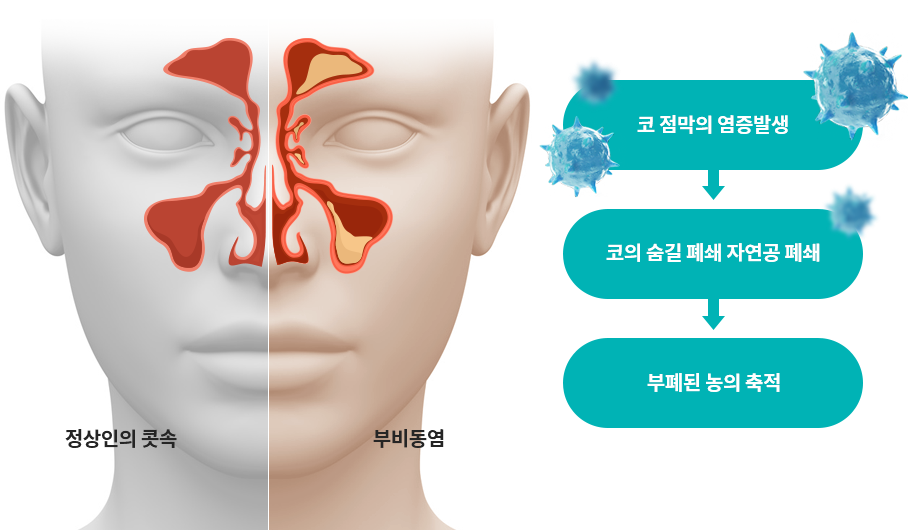
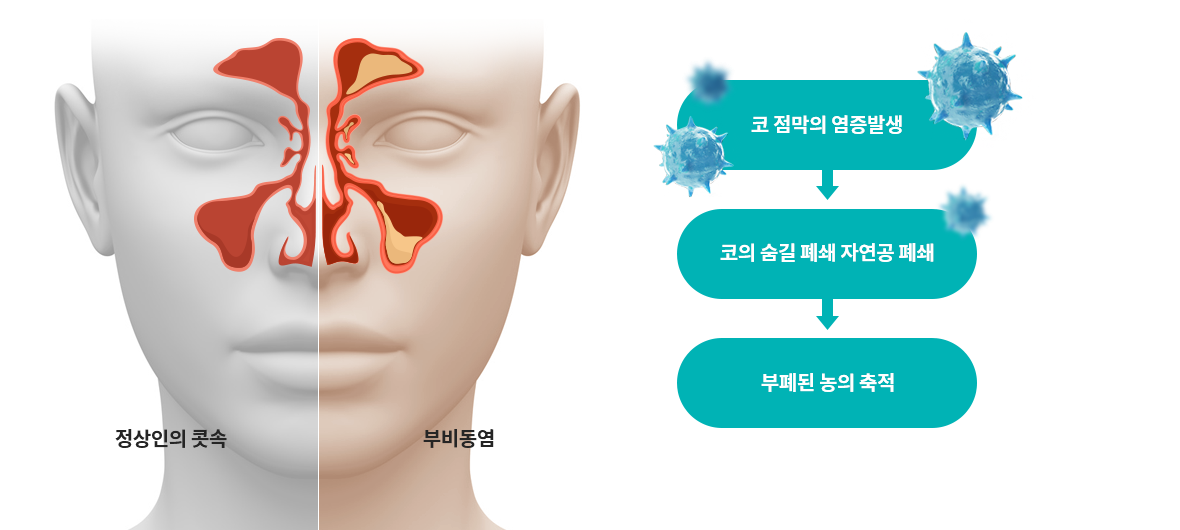
Sinusitis is bacterial inflammation of the sinuses, the small spaces on either side of the nasal bone.
The sinuses are hollow spaces on both sides of the face connected to the nose. When you have a cold or rhinitis, mucus and debris can flow into the sinuses, and when sinusitis develops, symptoms such as a runny nose, nasal congestion, and headaches appear.
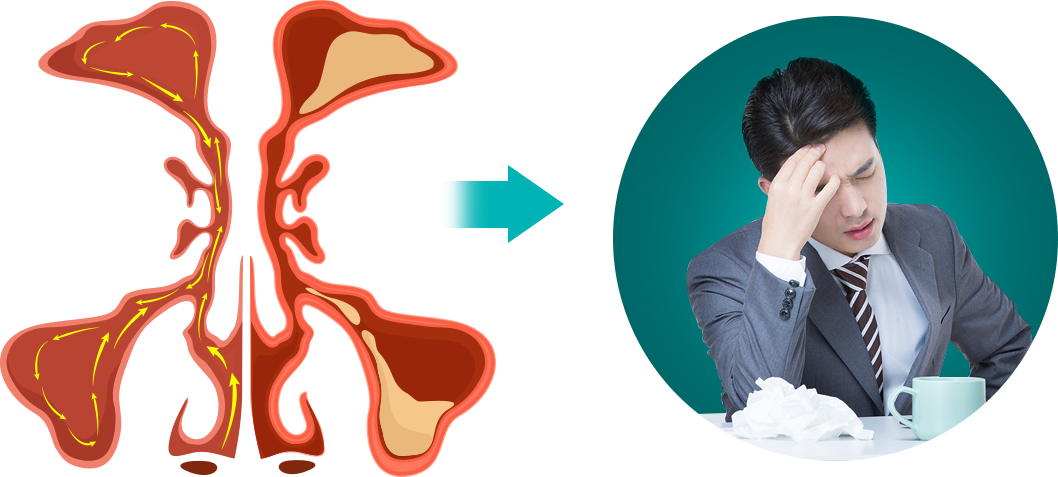
The longer sinusitis lasts, the more debris continues to build up inside the sinuses,
so sinusitis care should ease swelling of the nasal lining, which is the underlying cause.
Sinusitis is bacterial inflammation of the sinuses, the small spaces on either side of the nasal bone.
The sinuses are hollow spaces on both sides of the face connected to the nose. When you have a cold or rhinitis, mucus and debris can flow into the sinuses,
and when sinusitis develops, symptoms such as a runny nose, nasal congestion, and headaches appear.
The longer sinusitis lasts, the more debris continues to build up inside the sinuses,
so sinusitis care should ease swelling of the nasal lining, which is the underlying cause.
When you breathe through your nose, oxygen reaches the brain through the airway and helps cool it.
When inflammation of the nasal lining narrows the nasal cavity and sinuses, you cannot breathe through your nose and end up breathing through your open mouth.
Mouth breathing reduces the amount of oxygen reaching the brain compared with nose breathing.
Your head may feel heavy and your concentration may drop. Because you cannot sleep deeply, you may experience chronic fatigue and lethargy.
Beyond a blocked, stuffy nose, it can lead to headaches, dizziness, frequent nosebleeds, dry eyes, snoring, sleep apnea, and hormonal and metabolic problems related to reduced pituitary function,
lowering quality of life and affecting overall health, which can lead to serious conditions.
When you breathe through your nose, oxygen reaches the brain through the airway and helps cool it.
When inflammation of the nasal lining narrows the nasal cavity and sinuses, you cannot breathe through your nose and end up breathing through your open mouth.
Mouth breathing reduces the amount of oxygen reaching the brain compared with nose breathing.
Your head may feel heavy and your concentration may drop. Because you cannot sleep deeply, you may experience chronic fatigue and lethargy.
Beyond a blocked, stuffy nose, it can lead to headaches, dizziness, frequent nosebleeds, dry eyes, snoring, sleep apnea, and hormonal and metabolic problems related to reduced pituitary function,
lowering quality of life and affecting overall health, which can lead to serious conditions.
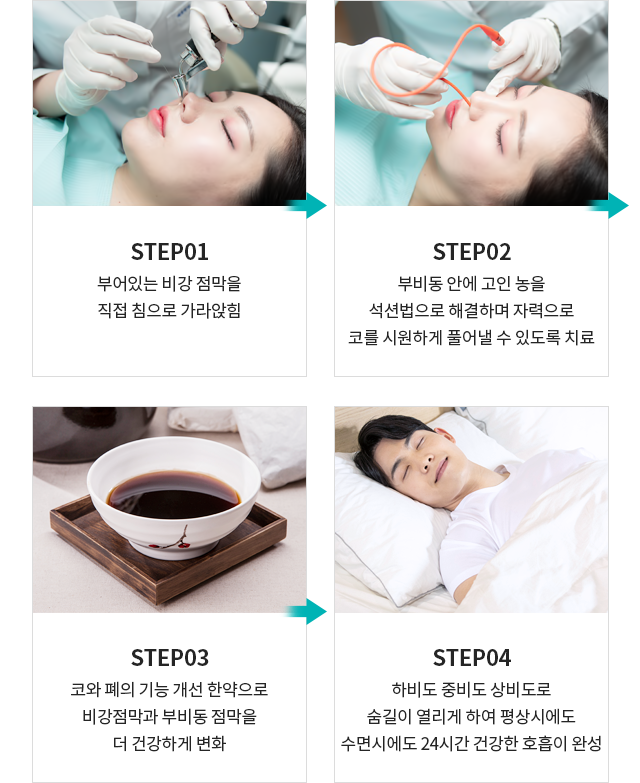
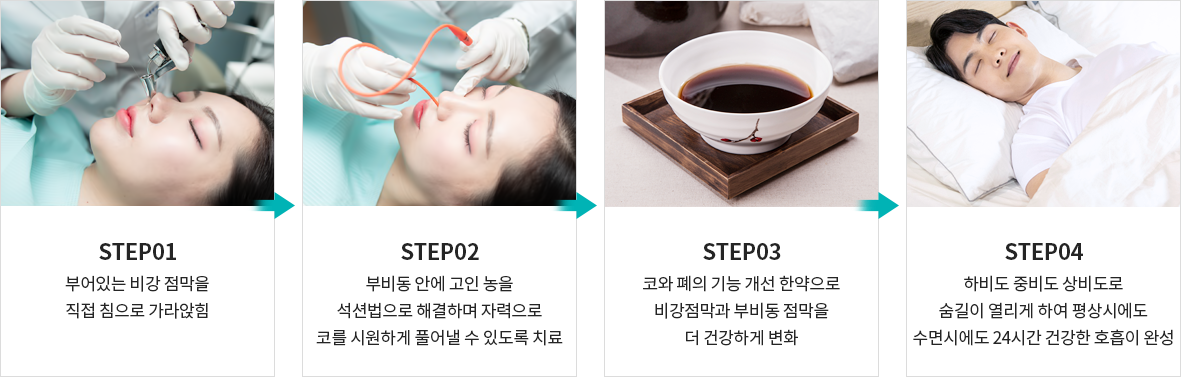
Ebian Korean Medicine Clinic's sinusitis care repeatedly draws out pus from the sinuses so that air can flow into sinuses that were blocked.
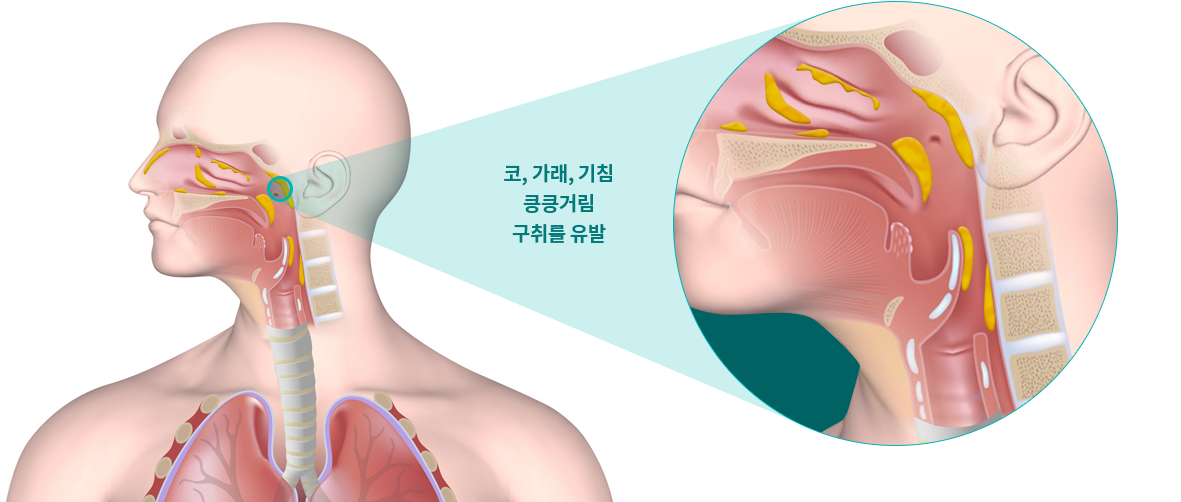
Postnasal drip occurs together with sinusitis.
Sinusitis causes a runny nose and congestion, and as mucus fills the nose and sinuses,
you may feel pus collecting in or running down the back of the throat, which is uncomfortable.
With postnasal drip, you may feel as if something is stuck in your throat.
More specifically, postnasal drip includes the sensation of mucus and phlegm caught above the uvula and on the roof of the mouth that does not go away even when you swallow.
Postnasal drip occurs together with sinusitis.
Sinusitis causes a runny nose and congestion, and as mucus fills the nose and sinuses,
you may feel pus collecting in or running down the back of the throat, which is uncomfortable.
With postnasal drip, you may feel as if something is stuck in your throat.
More specifically, postnasal drip includes the sensation of mucus and phlegm caught above the uvula and on the roof of the mouth that does not go away even when you swallow.
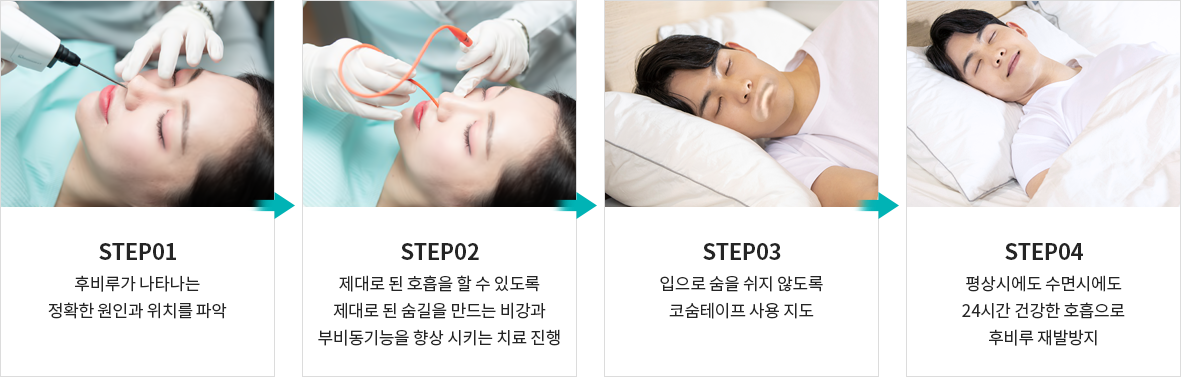
Ebian Korean Medicine Clinic's postnasal drip care focuses on helping the secretory glands work normally so that the same symptoms are less likely to keep coming back.
Rather than simply stopping symptoms, sinusitis and postnasal drip care should look at the structure of the nose
and aim to restore your ability to breathe through it.
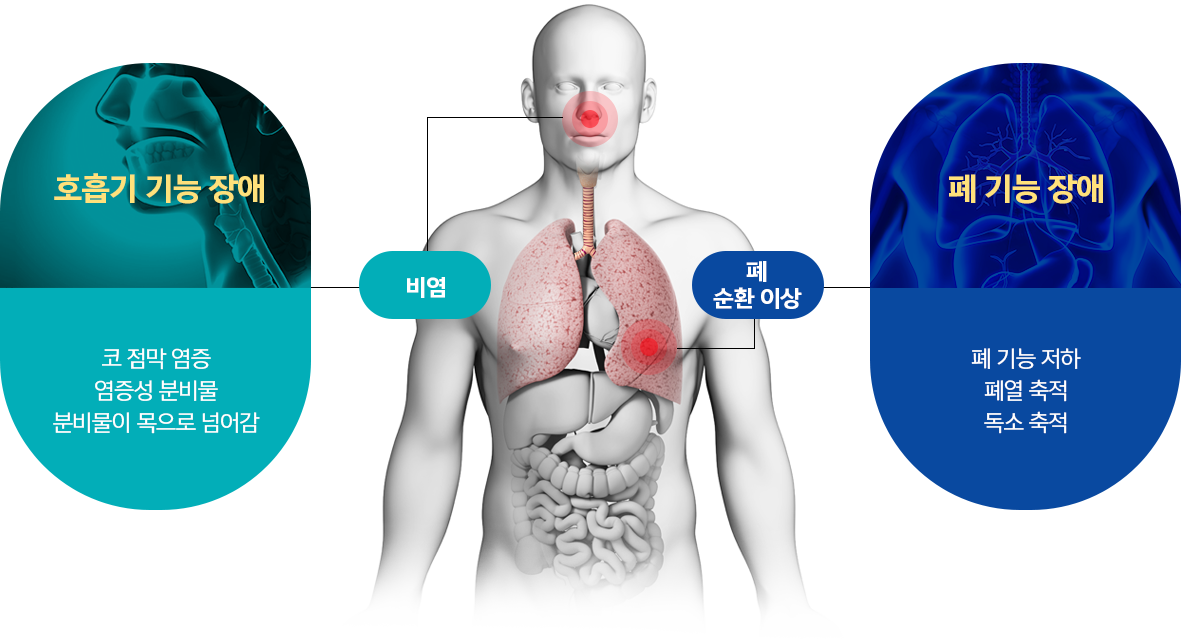
The nose is connected to the lungs. The lungs are the organ responsible for breathing for the whole body and also help defend and protect it.
This is also why, when lung function weakens, white blood cells become less able to fight off harmful substances, and immune-related conditions can develop.
In this view, otitis media and postnasal drip arise when lung function weakens. When lung function is weak, circulation and recovery in the lungs decline.
At the same time, the function of the nose, which is connected to the lungs, declines as well. When lung function declines, damage to the nasal lining is not repaired, resulting in inflammation and rhinitis symptoms.
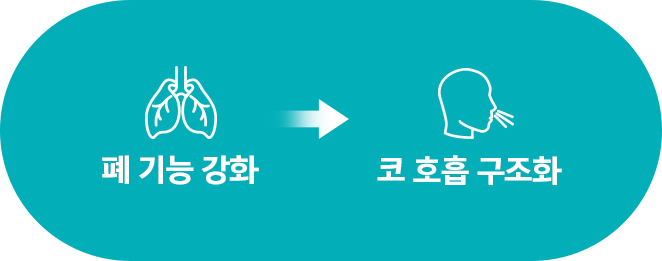
For this reason, rhinitis care aims to support lung function and build
a breathing pattern that allows you to breathe through your nose.

Rather than simply stopping symptoms, sinusitis and postnasal drip care should look at the structure of the nose and aim to restore your ability to breathe through it.
The nose is connected to the lungs. The lungs are the organ responsible for breathing for the whole body and also help defend and protect it.
This is also why, when lung function weakens, white blood cells become less able to fight off harmful substances, and immune-related conditions can develop.
In this view, otitis media and postnasal drip arise when lung function weakens. When lung function is weak, circulation and recovery in the lungs decline.
At the same time, the function of the nose, which is connected to the lungs, declines as well. When lung function declines, damage to the nasal lining is not repaired, resulting in inflammation and rhinitis symptoms.
For this reason, rhinitis care aims to support lung function and build a breathing pattern that allows you to breathe through your nose.

We look at the degree of inflammation in the nasal lining when providing care, and follow how your breathing is maintained over time.
Even if environmental changes cause inflammation of the nasal lining, the lungs' ability to recover from that inflammation should be strengthened.
We look at the degree of inflammation in the nasal lining when providing care, and follow how your breathing is maintained over time.
Even if environmental changes cause inflammation of the nasal lining, the lungs' ability to recover from that inflammation should be strengthened.
Care that aims to build nose breathing and support lung function
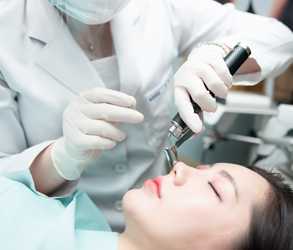
Endoscope-guided care of the deep nasal lining
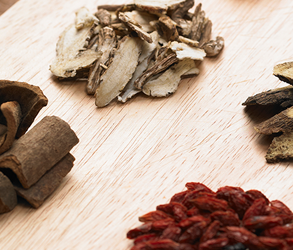
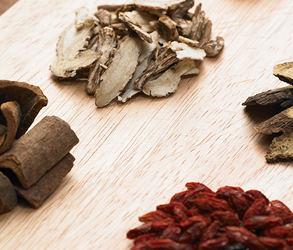
Hwalbi-tang (an herbal decoction for lung function)
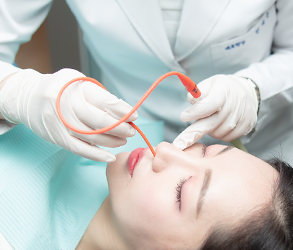
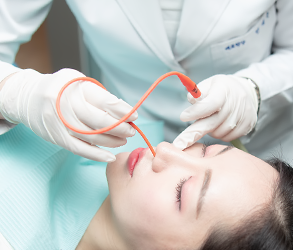
Nasal suction
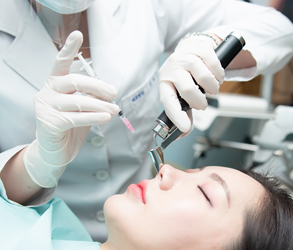
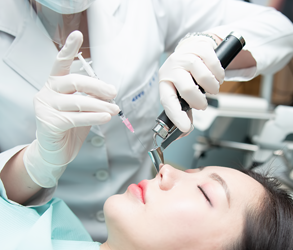
Pharmacopuncture for the nasal lining
Endoscope-guided care of the deep nasal lining
Hwalbi-tang (an herbal decoction for lung function)
Nasal suction
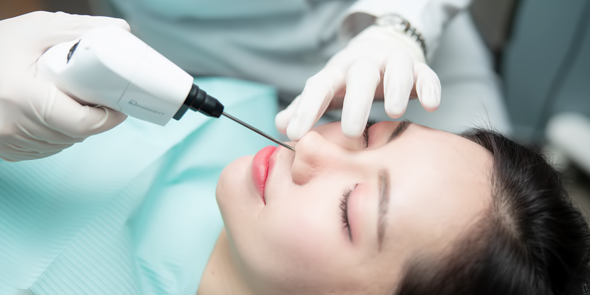
Endoscopic examination of the nasal cavity
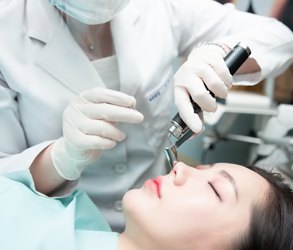
While viewing the nasal cavity through an endoscope, we use acupuncture needles to stimulate deep areas of the nasal lining and release small amounts of blood.
We apply acupuncture and pharmacopuncture stimulation to the nasal lining; the method may vary depending on the condition of the lining.
This aims to improve blood circulation in the lining and help secretions drain more easily.
We look at the condition of the lining and the degree of inflammation when providing care.
Korean Medicine with modern tools: precise targeting
Nasal bloodletting performed while checking the lining through an endoscope
Endoscopic examination of the nasal cavity
While viewing the nasal cavity through an endoscope, we use acupuncture needles to stimulate deep areas of the nasal lining and release small amounts of blood.
We apply acupuncture and pharmacopuncture stimulation to the nasal lining; the method may vary depending on the condition of the lining.
This aims to improve blood circulation in the lining and help secretions drain more easily.
We look at the condition of the lining and the degree of inflammation when providing care.
Korean Medicine with modern tools: precise targeting
Nasal bloodletting performed while checking the lining through an endoscope
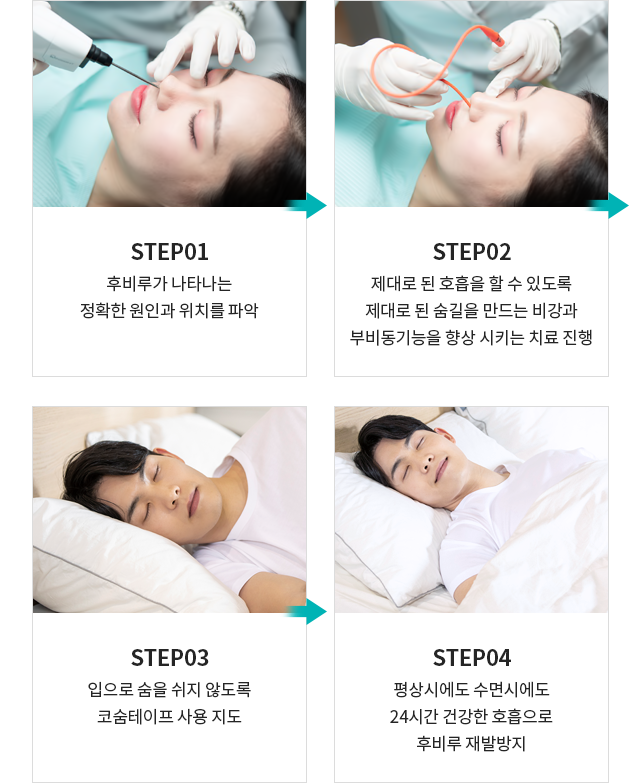
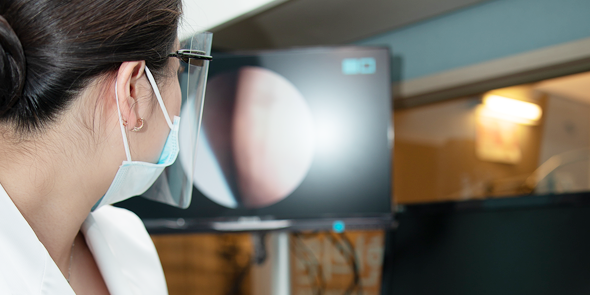
Ebian Korean Medicine Clinic provides care while checking the condition of the nasal lining through an endoscope.
We check the inside of the nose through an endoscope, observing the nasal lining in real time and targeting inflamed areas.
We look carefully at the areas that need care.
Ebian Korean Medicine Clinic provides care while checking the condition
of the nasal lining through an endoscope.
We check the inside of the nose through an endoscope, observing the nasal lining in real time and targeting inflamed areas.
We look carefully at the areas that need care,
and the method and response vary from person to person.
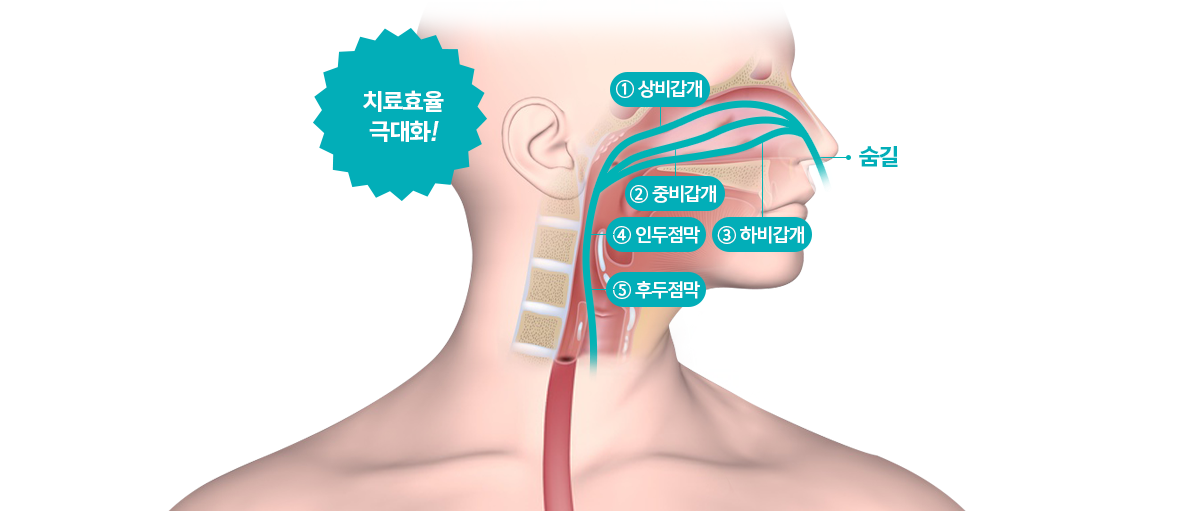
An anatomical approach: care for five areas—the inferior, middle, and superior turbinates and the pharyngeal and laryngeal linings
We divide the lining of the nasal airway into five areas—the inferior, middle, and superior turbinates and the pharyngeal and laryngeal linings—and care for them as a whole.
Rather than stimulating only the inferior turbinate at the entrance of the nose, we check your condition through an endoscope
and work from the inferior turbinate deep into the airway.
This allows care to reach inflamed areas that are hard to access,
and we treat the lining from the entrance of the nose deep inside with pharmacopuncture according to its condition.
We divide the lining of the nasal airway into five areas—the inferior, middle, and superior turbinates and the pharyngeal and laryngeal linings—and care for them as a whole.
Rather than stimulating only the inferior turbinate at the entrance of the nose, we check your condition through an endoscope
and work from the inferior turbinate deep into the airway.
This allows care to reach inflamed areas that are hard to access, and we treat the lining from the entrance of the nose deep inside with pharmacopuncture according to its condition.
The nose is the first gateway to the lungs. By supporting lung function, we work toward breathing through the nose.
The nose is connected to the lungs through the nasopharynx and larynx.
When rhinitis and sinusitis worsen, they can progress to pharyngitis, postnasal drip, snoring, and sleep apnea. These conditions have different symptoms but share the same cause.
When lung function is weak, circulation and recovery in the lungs decline, and the function of the nose, which is connected to the lungs, declines as well.
Ebian Korean Medicine Clinic first checks your rhinitis and sinusitis symptoms and condition, and provides care while looking at how you breathe through your nose.
The nose is the first gateway to the lungs. By supporting lung function, we work toward breathing through the nose.
The nose is connected to the lungs through the nasopharynx and larynx.
When rhinitis and sinusitis worsen, they can progress to pharyngitis, postnasal drip, snoring, and sleep apnea. These conditions have different symptoms but share the same cause.
When lung function is weak, circulation and recovery in the lungs decline, and the function of the nose, which is connected to the lungs, declines as well.
Ebian Korean Medicine Clinic first checks your rhinitis and sinusitis symptoms and condition, and provides care while looking at how you breathe through your nose.
How our nasal and airway care began
We tailor care to each patient's condition.
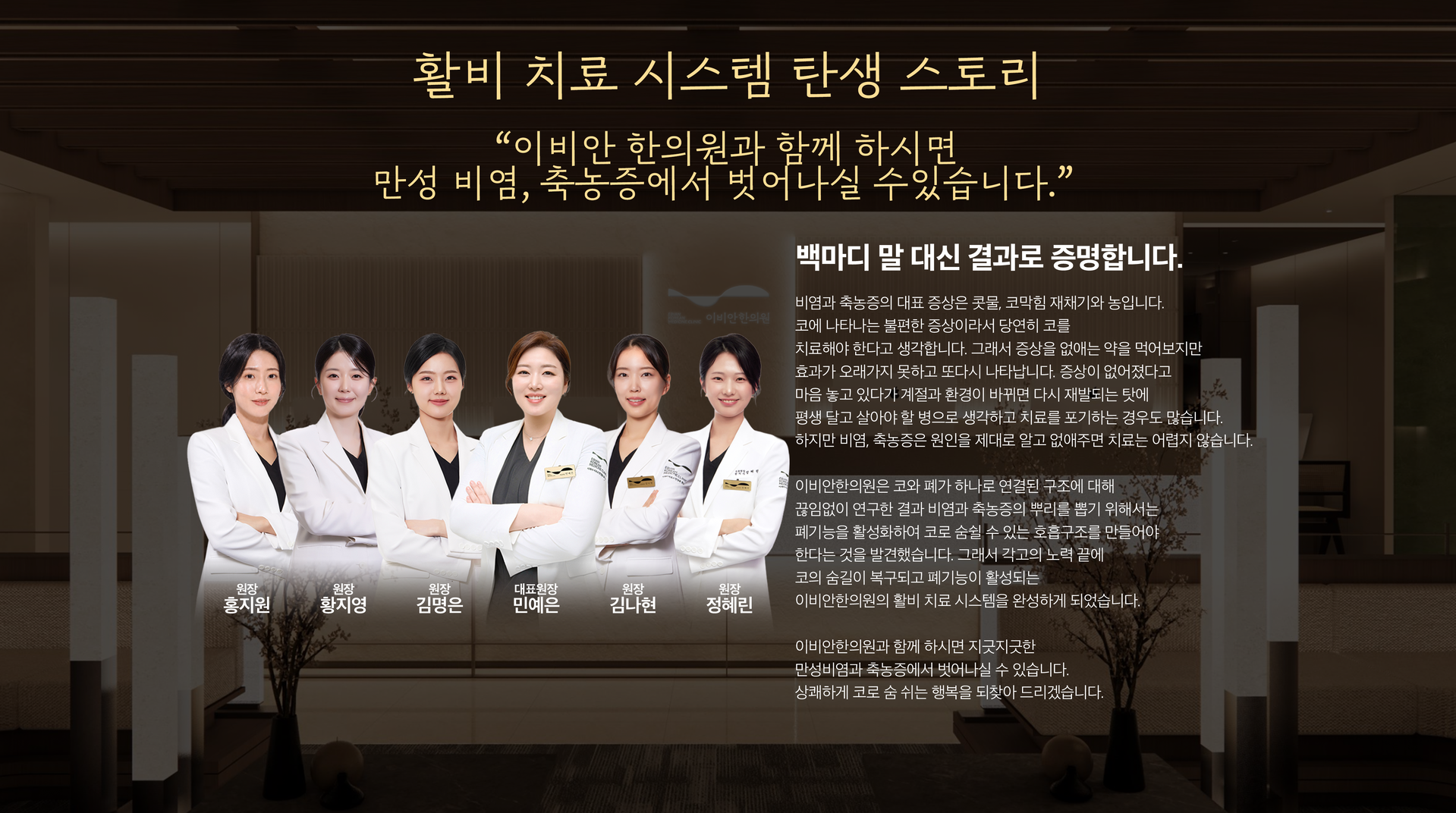
Through ongoing research into how the nose and lungs are connected as one structure, Ebian Korean Medicine Clinic found that caring for rhinitis and sinusitis
means supporting lung function
and building a breathing pattern that allows you to breathe through your nose.

After much effort, we developed Ebian Korean Medicine Clinic's nasal and airway care,
This led us to develop Ebian Korean Medicine Clinic's nasal and airway care, which aims to restore the nasal airway and support lung function.
At Ebian Korean Medicine Clinic, we look at your condition and plan your care.
For persistent chronic rhinitis and sinusitis,
we look at the causes and provide Korean Medicine care suited to your symptoms.
We will guide you through care for your nasal symptoms.
| Weekdays | 09:00~21:00 |
| Sat · Sun · Public Holidays | 09:00~16:00 |
| Lunch Break | 12:30~14:00 |
| Weekend & Holiday Lunch Break | 12:00~13:00 |
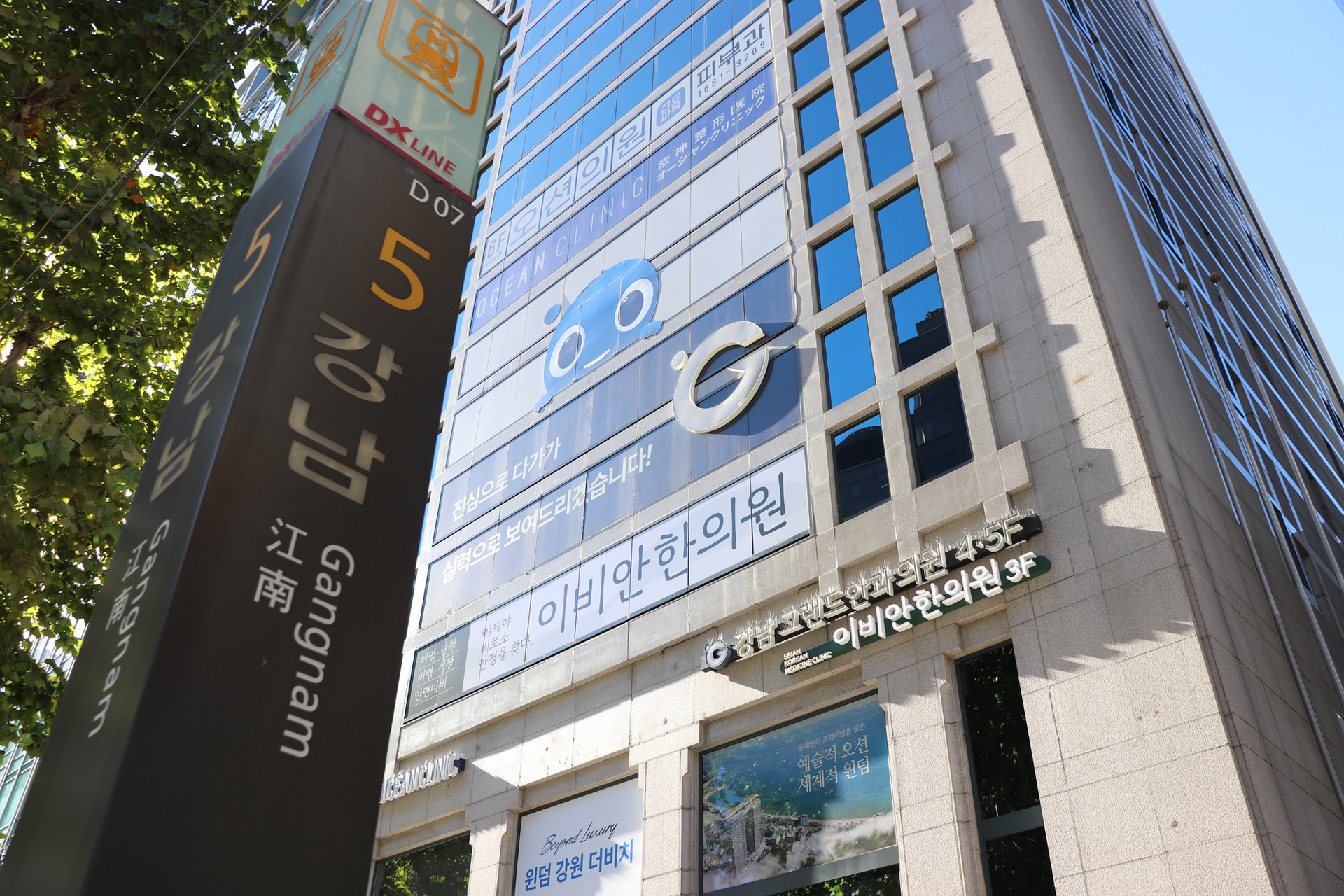
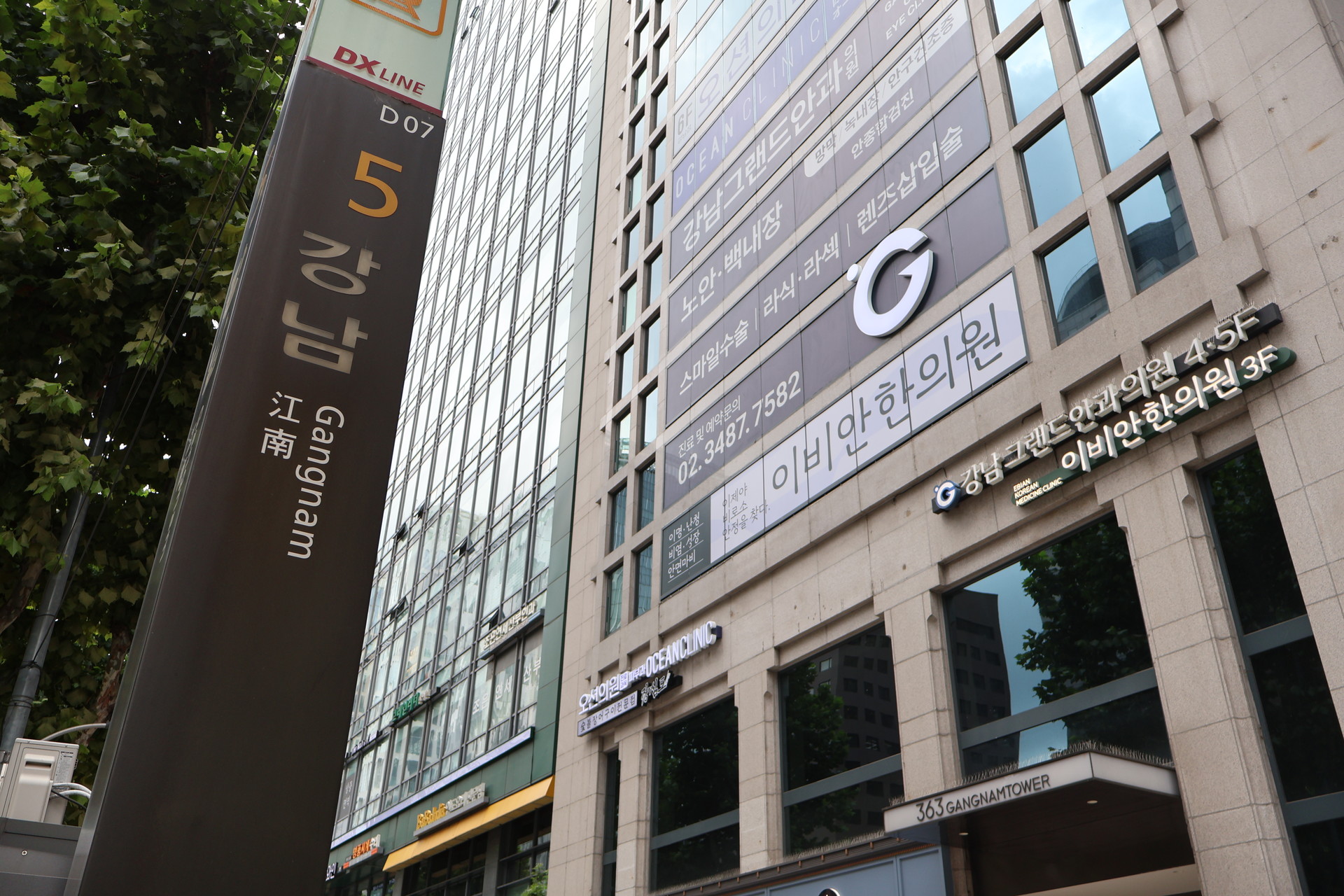
3F, 363 Gangnam-daero, Seocho-gu, Seoul (Seocho-dong)
(Gangnam Station, Exit 5)
Representative: Yeeun Min | Business name: Ebian Korean Medicine Clinic | Business registration no.: 448-92-00624
Main line: +82-2-523-8080 | Fax: +82-2-2651-8089 | Email: purun1888@naver.com
| Weekdays | 9:00~21:00 |
| Sat · Sun · Public Holidays | 09:00~16:00 |
| Lunch Break | 12:30~14:00 |
| Weekend & Holiday Lunch Break | 12:00~13:00 |
3F, 363 Gangnam-daero, Seocho-gu, Seoul (Seocho-dong) (Gangnam Station, Exit 5)
Representative: Yeeun Min | Business name: Ebian Korean Medicine Clinic | Business registration no.: 448-92-00624
Main line: +82-2-523-8080 | Fax: +82-2-2651-8089 | Email: purun1888@naver.com Copyright ⓒ 2020 Ebian Korean Medicine Clinic All rights reserved.
Copyright ⓒ Ebian Korean Medicine Clinic All rights reserved.