Tinnitus
A different approach to tinnitus care: our one-stop care program
Tinnitus is a condition in which you hear sound even though there is no sound outside, due to damage to the hearing cells.
It is described in many ways—a "beep," the sound of cicadas, buzzing, wind, running water, or a pulsing sound like a heartbeat.
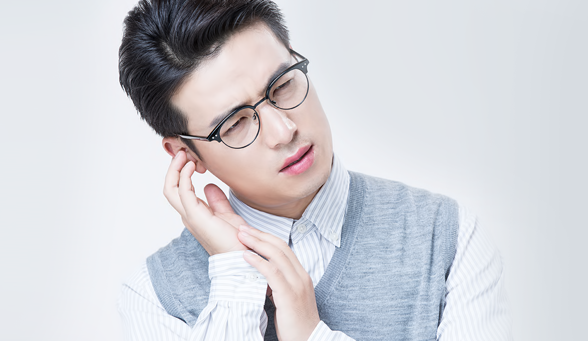
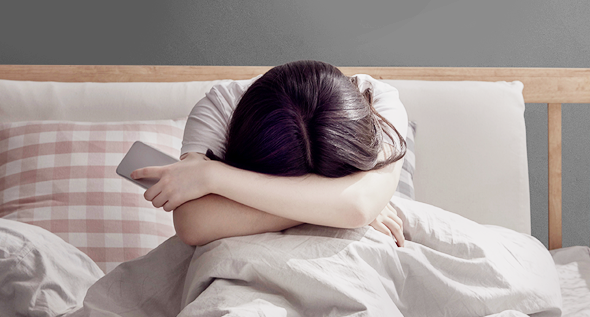
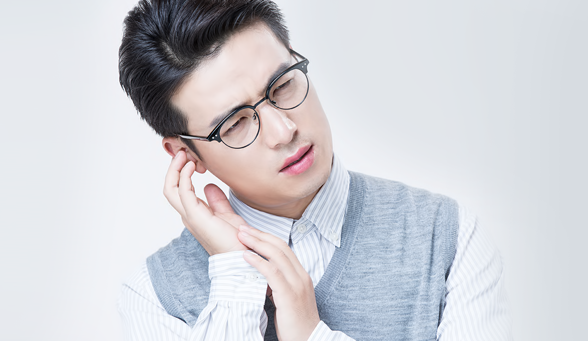
Because sounds of unknown origin ring in the ears or head, tinnitus can greatly disrupt daily life.
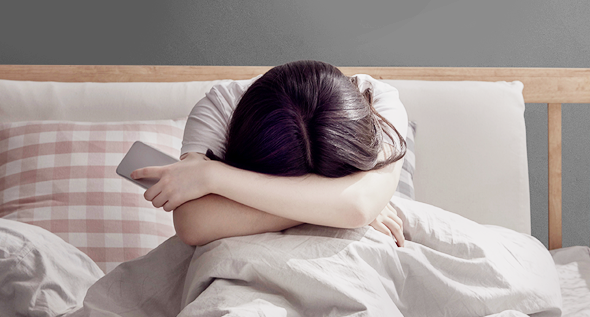
Left untreated, tinnitus can be accompanied by emotional symptoms such as depression, anxiety, and headaches, as well as serious problems such as hearing loss, so it should be looked at.
Tinnitus
A different approach to tinnitus care
Tinnitus is a condition in which you hear sound even though there is no sound outside, due to damage to the hearing cells.
It is described in many ways—a "beep," the sound of cicadas, buzzing, wind, running water, or a pulsing sound like a heartbeat.
Because sounds of unknown origin ring in the ears or head, tinnitus can greatly disrupt daily life.
Left untreated, tinnitus can be accompanied by emotional symptoms such as depression, anxiety, and headaches, as well as serious problems such as hearing loss, so it should be looked at.
A common cause of tinnitus: auditory nerve damage
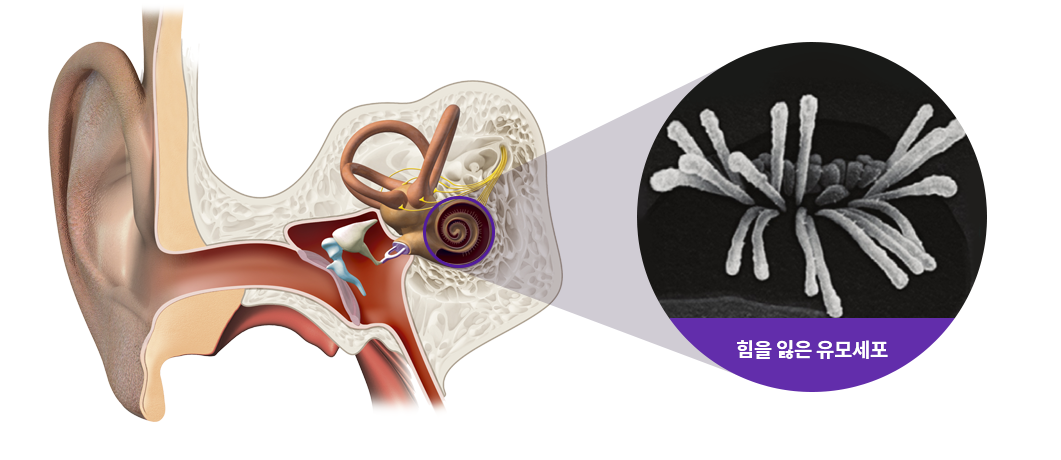
Activating the hearing cells is central to care
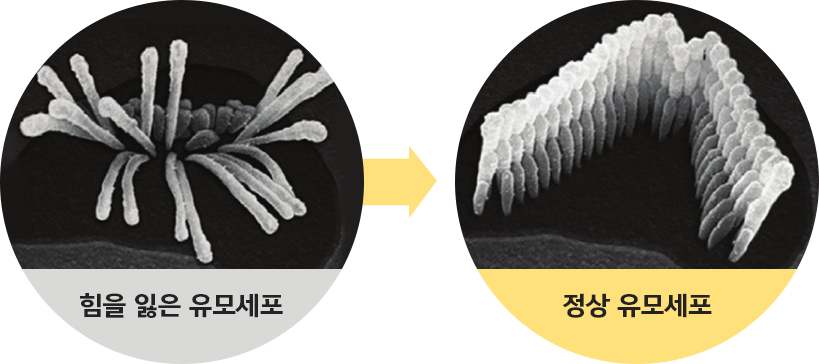
Tinnitus occurs when the hair cells responsible for hearing in the cochlea are damaged, or when the function of the auditory nerve, which carries sound to the brain, is impaired.
Tinnitus that should be examined
Accurate testing is the first step in care.
Damage from loud earphone use
Exercising at the gym, commuting on the subway, or studying
with earphones in and long exposure to loud music can damage the hair cells.
Damage from loud noise at work
The auditory nerve can be damaged by loud gunfire during military service or by exposure to loud noise at work sites such as construction sites and factories.
Tinnitus caused by stress
Tinnitus can develop when excessive stress from a demanding social life, pressure from exams or job hunting, and insomnia upset the balance of the autonomic nervous system and disrupt the auditory nerve system.
Tinnitus from lowered immunity or stamina
Tinnitus can also follow lack of sleep from overtime or shift work, lowered immunity after a serious illness, lingering effects of the flu, or nasal and ear conditions (snoring, rhinitis, otitis media).
Damage from loud earphone use
Exercising at the gym, commuting on the subway, or studying
with earphones in and long exposure to loud music can damage the hair cells.
Damage from loud noise at work
The auditory nerve can be damaged by loud gunfire during military service or by exposure to loud noise at work sites such as construction sites and factories.
Tinnitus caused by stress
Tinnitus can develop when excessive stress from a demanding social life, pressure from exams or job hunting, and insomnia upset the balance of the autonomic nervous system and disrupt the auditory nerve system.
Tinnitus from lowered immunity or stamina
Tinnitus can also follow lack of sleep from overtime or shift work, lowered immunity after a serious illness, lingering effects of the flu, or nasal and ear conditions (snoring, rhinitis, otitis media).
"Tinnitus care also has an early window."
If tinnitus continues for 3 days in a row or interferes with daily life, seek care promptly.
In particular, if your ear feels blocked or you feel dizzy, it may be a sign of sudden hearing loss or Ménière's disease,
so a detailed hearing test should be used to find the cause of the tinnitus and plan care accordingly.
Declining hearing can mean social isolation.
Tinnitus can make communication with close family and friends difficult, raising the risk of isolation, depression, and dementia.
Our tinnitus and hearing loss care
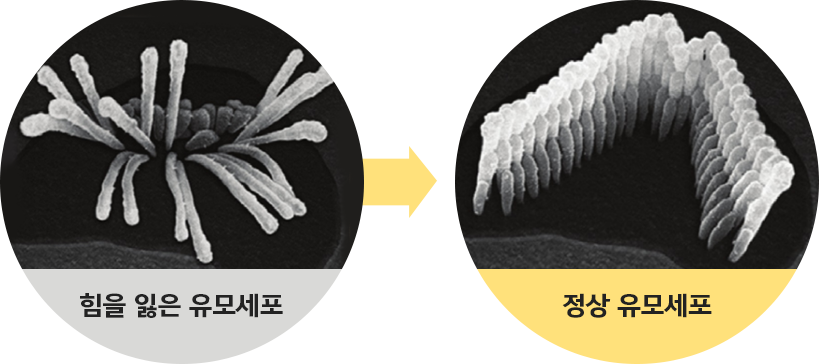
We work on the hearing cell system that collects outside sound and sends it to the brain.
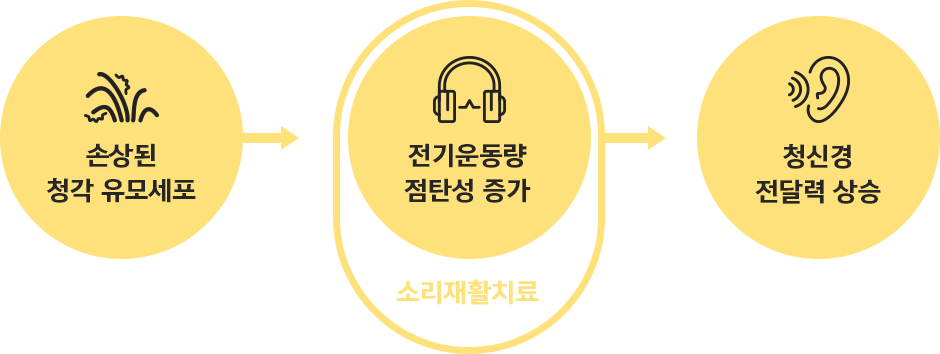
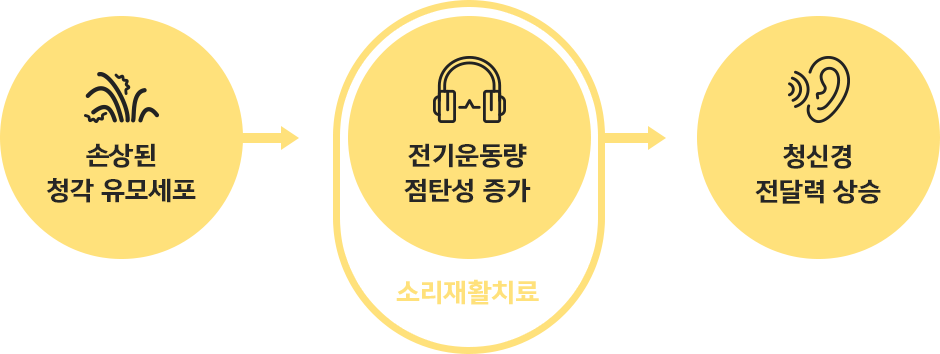
By playing specific sound stimuli to hearing cells (hair cells) that have become less active, we aim to increase the electrical motility and viscoelasticity of stiffened hearing cells
to help improve hearing.
How sound-based auditory rehabilitation works
When sound is detected, the auditory hair cells move and send hearing signals to the brain.
Increasing the electrical motility and viscoelasticity of stiffened auditory hair cells aims to help weakened hair cells carry hearing signals better.
"Tinnitus care also has an early window."
If tinnitus continues for 3 days in a row or interferes with daily life, seek care promptly.
In particular, if your ear feels blocked or you feel dizzy, it may be a sign of sudden hearing loss or Ménière's disease,
so a detailed hearing test should be used to find the cause of the tinnitus and plan care accordingly.
Declining hearing can mean social isolation.
Tinnitus can make communication with close family and friends difficult,
raising the risk of isolation, depression, and dementia.
Our tinnitus and hearing loss care
We work on the hearing cell system that collects outside sound and sends it to the brain.
By playing specific sound stimuli to hearing cells (hair cells) that have become less active, we aim to increase the electrical motility and viscoelasticity of stiffened hearing cells to help improve hearing.
How sound-based auditory rehabilitation works
When sound is detected, the auditory hair cells move and send hearing signals to the brain.
Increasing the electrical motility and viscoelasticity of stiffened auditory hair cells aims to help weakened hair cells carry hearing signals better.
Proper care starts with finding the cause.
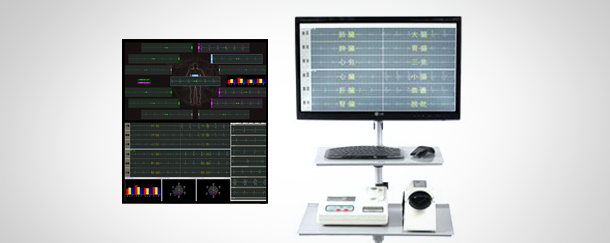
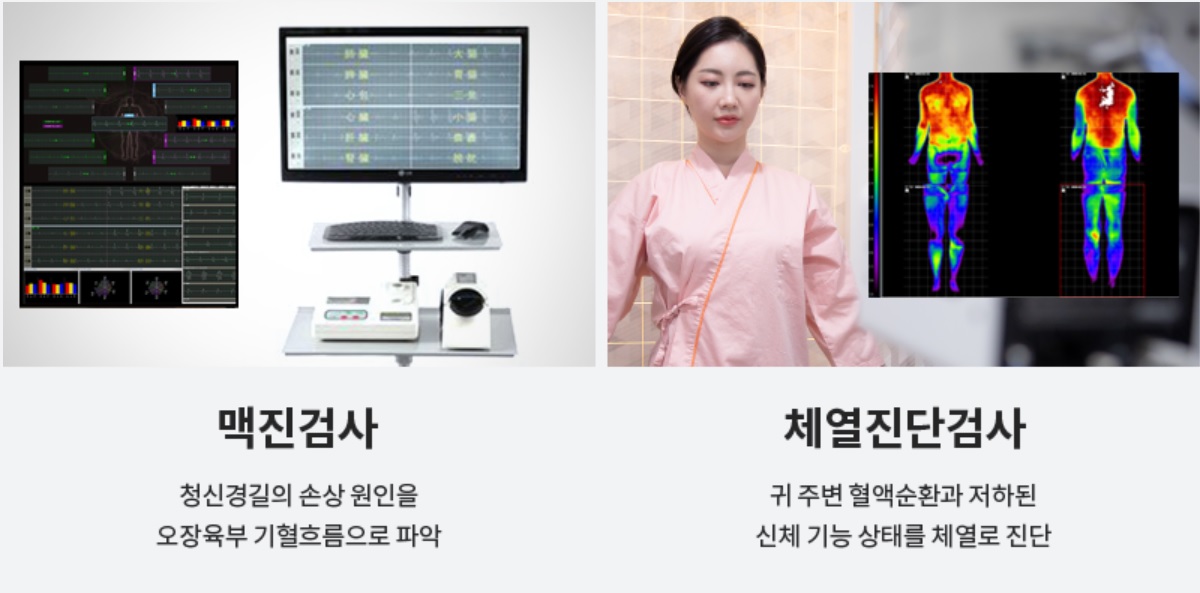
Pulse diagnosis
We look for the cause of auditory nerve damage
through the flow of qi and blood in the internal organs.
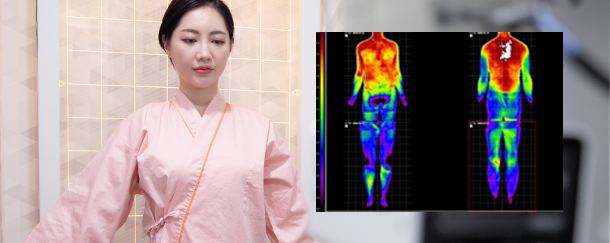
Infrared thermography
Thermography shows blood circulation around the ears and areas of reduced body function
At Ebian Korean Medicine Clinic, we look at your condition and plan your care.
How we approach tinnitus and hearing loss
How Ebian Korean Medicine Clinic approaches tinnitus and hearing loss
First, we look at your hearing step by step.
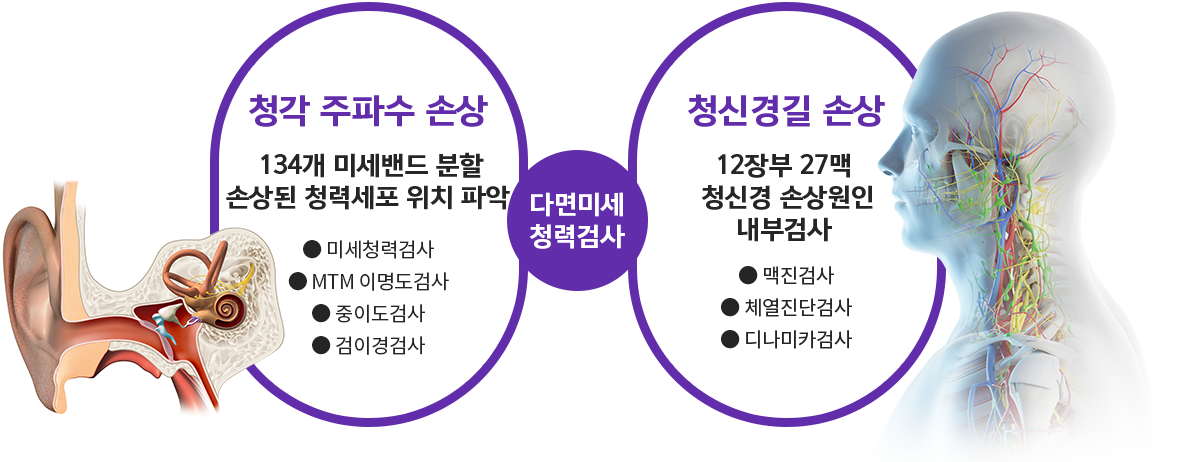
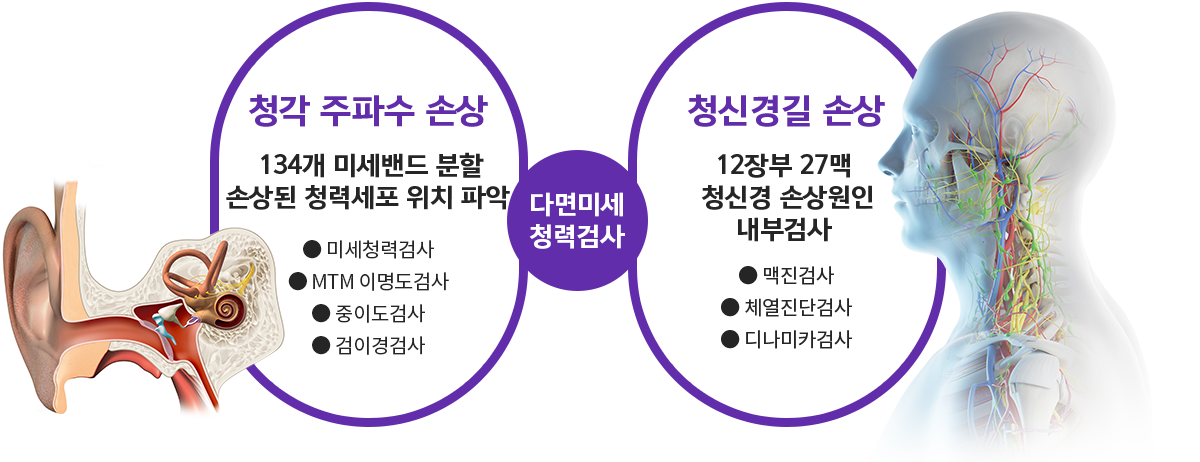
We check hearing by frequency with a detailed hearing test and assess the hearing cells,
looking at the degree of damage and at imbalances in the internal organs to find the cause of auditory nerve damage.
Through hearing tests, we look into the causes of tinnitus and hearing loss,
and plan care carefully based on the test results.
First, in tinnitus and hearing loss testing,
we look at your hearing step by step.
We check hearing by frequency with a detailed hearing test,
and assess your condition with infrared thermography and pulse diagnosis.
We look at the degree of hearing cell damage and at imbalances in the internal organs to find the cause of auditory nerve damage.
Through hearing tests covering several items,
we look into the causes of tinnitus and hearing loss,
and plan care carefully based on the test results.
Second, we have presented 5 case reports on tinnitus and hearing loss to academic societies.
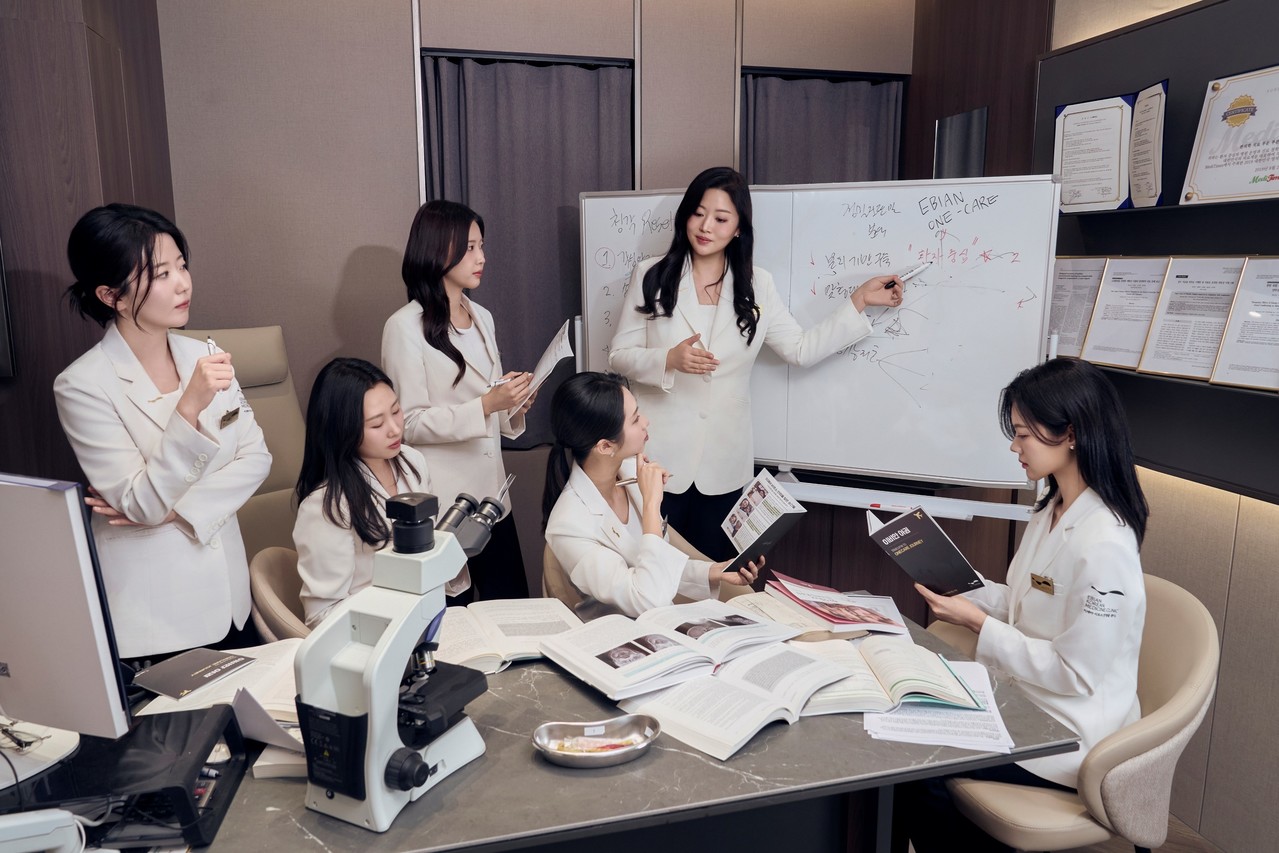
Ebian Korean Medicine Clinic is staffed by Doctors of Korean Medicine who work together as a team and continue research in the field of tinnitus and hearing loss. We have presented 5 case reports on tinnitus and hearing loss to academic societies.
◈ Academic reports on tinnitus and hearing loss ◈
Care for pulsatile tinnitus: acupuncture centered on acupotomy
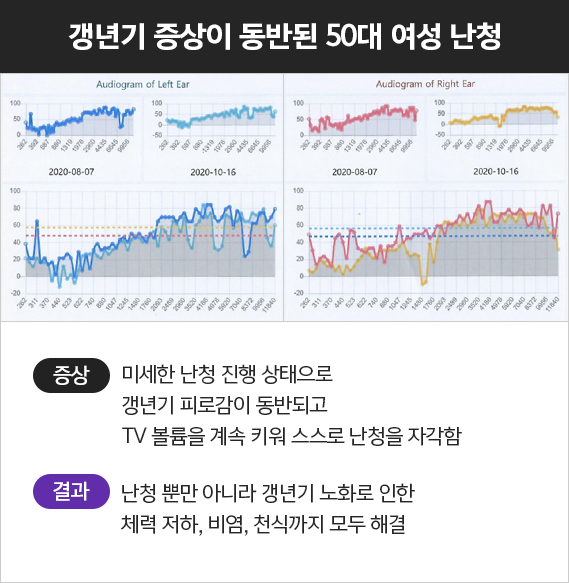
Care for bilateral sudden hearing loss: combined Korean Medicine treatment and sound-based auditory rehabilitation
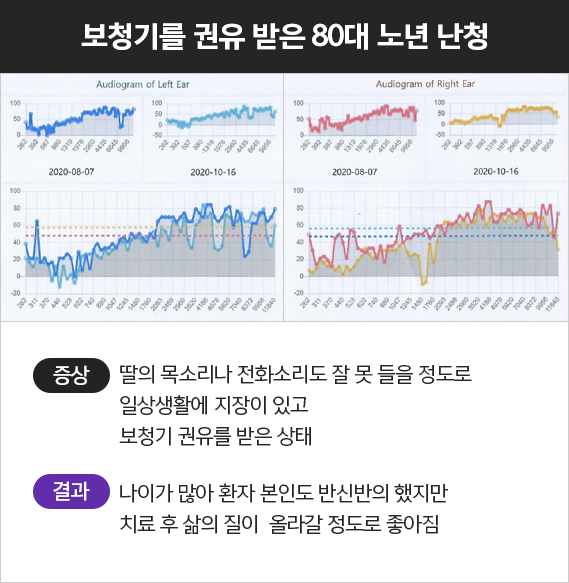
Care for age-related hearing loss: combined Korean Medicine treatment and sound-based auditory rehabilitation
Care for delayed sudden hearing loss: combined Korean Medicine treatment and sound-based auditory rehabilitation; Korean Medicine treatment of patulous Eustachian tube with indigestion
Second,
we have presented 5 case reports on tinnitus and hearing loss to academic societies.
Ebian Korean Medicine Clinic is staffed by Doctors of Korean Medicine and has presented case reports on tinnitus and hearing loss to academic societies.
◈ Case reports on tinnitus and hearing loss presented to academic societies ◈
[ Ebian Korean Medicine Clinic Papers ]
Care for pulsatile tinnitus:
acupuncture
Combined Korean Medicine treatment and sound-based auditory rehabilitation
Bilateral sudden hearing loss
Combined Korean Medicine treatment and sound-based auditory rehabilitation
Age-related hearing loss
Combined Korean Medicine treatment and sound-based auditory rehabilitation
Delayed sudden hearing loss
With indigestion:
Korean Medicine treatment of patulous Eustachian tube
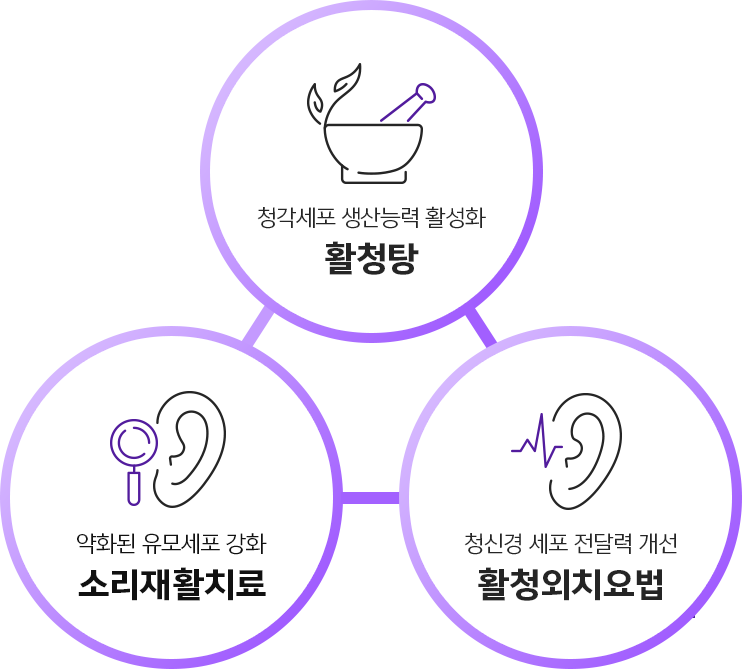
Third, we combine several approaches rather than relying on a single method.
Tinnitus and hearing loss have many possible causes, so we consider several tests and treatments together.
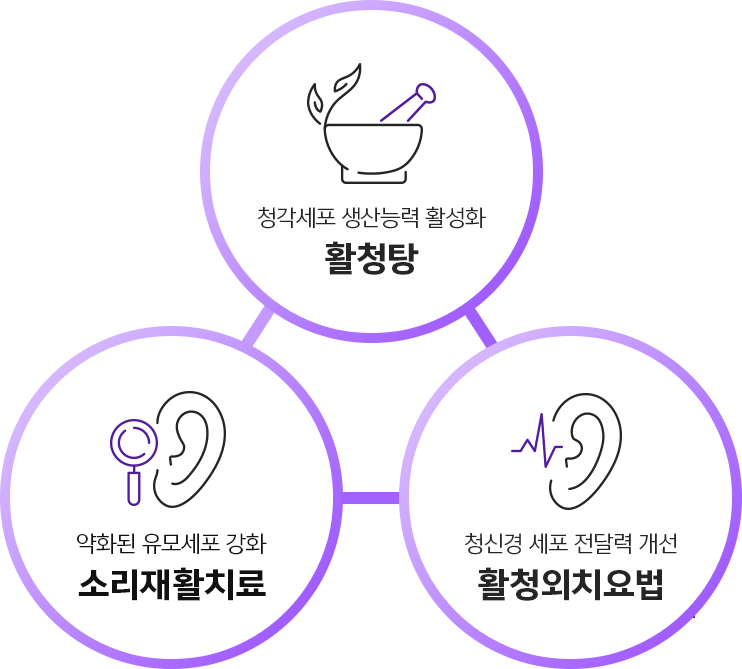
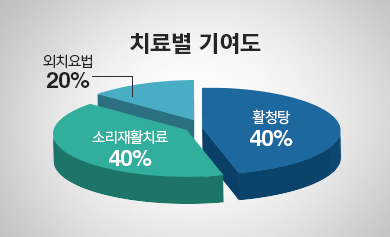
Ebian Korean Medicine Clinic looks at your hearing and prescribes Hwalcheong-tang (an herbal decoction),
and combines sound-based auditory rehabilitation with external therapies.
Third, we combine several approaches rather than relying on a single method.
Tinnitus and hearing loss have many possible causes, so we consider several tests and treatments together.
Ebian Korean Medicine Clinic looks at your hearing and prescribes Hwalcheong-tang (an herbal decoction),
and combines sound-based auditory rehabilitation with external therapies.
How our tinnitus and hearing loss care began
Tinnitus and hearing loss are warning signs of auditory nerve damage.
Tinnitus is a signal that says, "The auditory nerve pathway is weakening and hearing loss is progressing,
so find the cause and address it quickly."
If early tinnitus is left untreated
and the critical early window for treatment is missed, it can lead to hearing loss
and become a red flag for your overall health.
In caring for patients with tinnitus and hearing loss,
we have often seen communication break down
in close relationships with friends and family,
which can result in other problems such as isolation, depression, and dementia.
Losing the everyday joy of hearing
and feeling cut off from the sounds of the world
is deeply frustrating.
That is why we developed our tinnitus and hearing loss care—to help people who have grown distant from the sounds they once heard clearly and from the people around them.
We will help you keep your hearing from getting worse and keep you from becoming socially isolated.

| Weekdays | 09:00~21:00 |
| Sat · Sun · Public Holidays | 09:00~16:00 |
| Lunch Break | 12:30~14:00 |
| Weekend & Holiday Lunch Break | 12:00~13:00 |
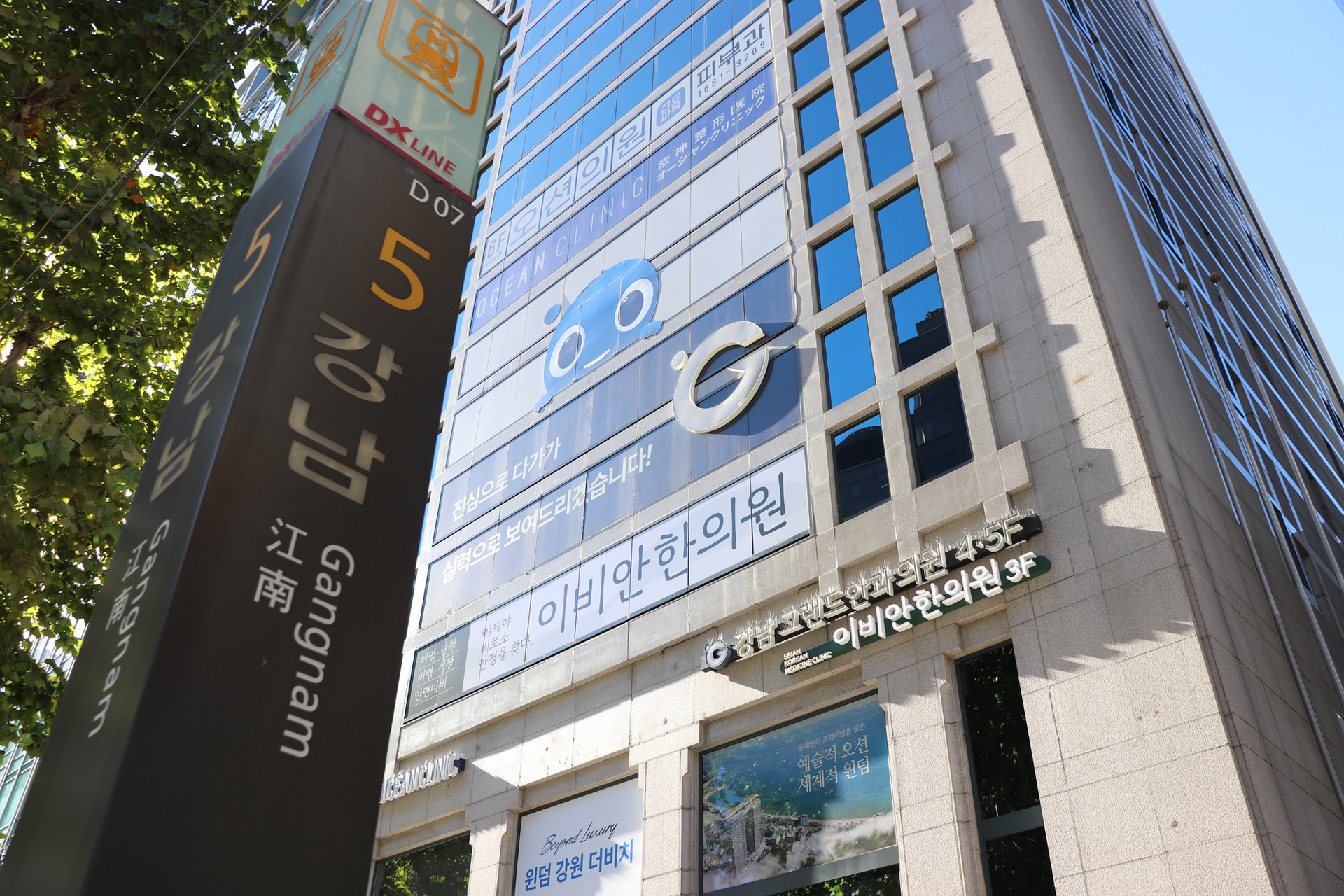
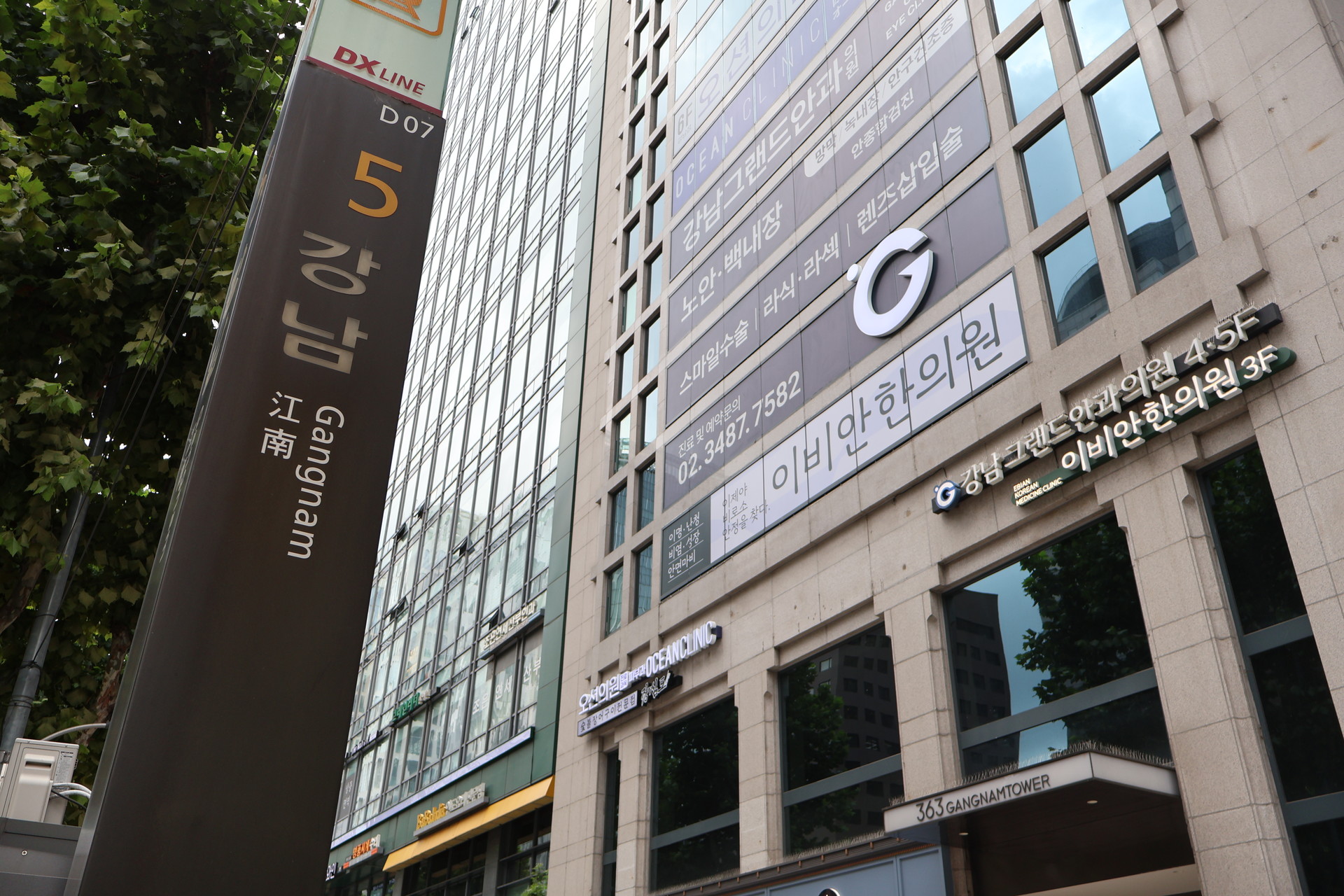
3F, 363 Gangnam-daero, Seocho-gu, Seoul (Seocho-dong)
(Gangnam Station, Exit 5)
Representative: Yeeun Min | Business name: Ebian Korean Medicine Clinic | Business registration no.: 448-92-00624
Main line: +82-2-523-8080 | Fax: +82-2-2651-8089 | Email: purun1888@naver.com
| Weekdays | 9:00~21:00 |
| Sat · Sun · Public Holidays | 09:00~16:00 |
| Lunch Break | 12:30~14:00 |
| Weekend & Holiday Lunch Break | 12:00~13:00 |
3F, 363 Gangnam-daero, Seocho-gu, Seoul (Seocho-dong) (Gangnam Station, Exit 5)
Representative: Yeeun Min | Business name: Ebian Korean Medicine Clinic | Business registration no.: 448-92-00624
Main line: +82-2-523-8080 | Fax: +82-2-2651-8089 | Email: purun1888@naver.com Copyright ⓒ 2020 Ebian Korean Medicine Clinic All rights reserved.

Copyright ⓒ Ebian Korean Medicine Clinic All rights reserved.